
Your car’s paint serves as a protective barrier that maintains its value and prevents rust. It faces daily threats like scratches from improper washing and fading from UV rays. This guide offers effective methods to protect your car’s paint from common hazards, helping you preserve its appearance and resale value for both new and older vehicles.
Understanding Common Threats to Your Car’s Paint
Before diving into protection methods, it’s essential to understand what you’re defending against. Car paint faces numerous daily threats that can cause both immediate and long-term damage.
Scratches and Swirl Marks
These are perhaps the most visible forms of paint damage. Scratches occur from contact with branches, shopping carts, keys, or even improper washing techniques. Swirl marks, those circular scratches visible under direct light, typically result from using dirty wash mitts or towels that drag contaminants across your paint surface.
UV Ray Damage
Ultraviolet radiation acts like a slow poison for your car’s paint. Over time, UV exposure causes oxidation, leading to fading, chalking, and that dull, lifeless appearance you see on neglected vehicles. Clear coat failure often follows, creating permanent damage that requires professional restoration.
Road Debris and Environmental Contaminants
Flying rocks, tar, bird droppings, tree sap, and industrial fallout constantly bombard your vehicle. These contaminants don’t just create unsightly spots—they can chemically etch into your paint, causing permanent stains and damage that grows worse over time.
Preparation: The Foundation of Paint Protection
Effective paint protection starts with proper preparation. You cannot apply protective products over contaminated or damaged paint and expect optimal results. Proper paint protection is especially important before long-distance vehicle transport, which is why many owners moving cars across state lines rely on services like https://www.shiply.com/
Thorough Washing
Begin with a comprehensive wash using the two-bucket method. One bucket contains soapy water, while the other holds clean rinse water. This technique prevents you from dragging dirt and grime across your paint surface, which causes those dreaded swirl marks.
Use a high-quality car shampoo specifically designed for automotive paint, not household detergents that can strip protective layers. Work from top to bottom, rinsing your wash mitt frequently in the clean water bucket before reloading with soap.
Decontamination Process
Even after washing, your paint likely harbors embedded contaminants invisible to the naked eye. Run your hand over the paint surface after washing—any roughness indicates bonded contaminants that need removal.
Clay bars, synthetic clay mitts, or iron removers can eliminate these embedded particles. This step is crucial because applying protective coatings over contaminated paint will trap these particles, potentially causing more damage over time.
Protection Methods: Choosing Your Defense Strategy
Once your paint is clean and decontaminated, you can apply protective measures. Each method offers different levels of protection, durability, and cost.
Waxing: Traditional Protection
Car wax remains one of the most popular and accessible forms of paint protection. Quality carnauba wax provides a warm, deep gloss while offering moderate protection against UV rays and light contaminants.
Wax typically lasts 2-4 months depending on environmental conditions and driving habits. While it requires frequent reapplication, wax is relatively inexpensive and easy to apply. The key is choosing a high-quality product and applying it in thin, even coats according to manufacturer instructions.
Paint Sealants: Synthetic Durability
Paint sealants offer longer-lasting protection than traditional wax, often providing 6-12 months of coverage. These synthetic products create a harder protective barrier that resists environmental damage more effectively than wax.
Sealants excel in harsh conditions where wax might quickly deteriorate. They provide excellent UV protection and are easier to maintain, though they may not deliver the same depth of gloss that premium waxes achieve.
Ceramic Coatings: Professional-Grade Protection
Ceramic coatings represent the next evolution in paint protection. These liquid polymer coatings chemically bond with your paint, creating a permanent or semi-permanent protective layer that can last 2-7 years with proper maintenance.
Professional ceramic coatings offer superior protection against UV rays, chemical stains, scratches, and environmental contaminants. They also provide hydrophobic properties, causing water to bead and roll off your paint, making washing easier and more effective.
While professional application can be expensive, the long-term protection and reduced maintenance requirements often justify the investment for many car owners.
Paint Protection Film: Ultimate Defense
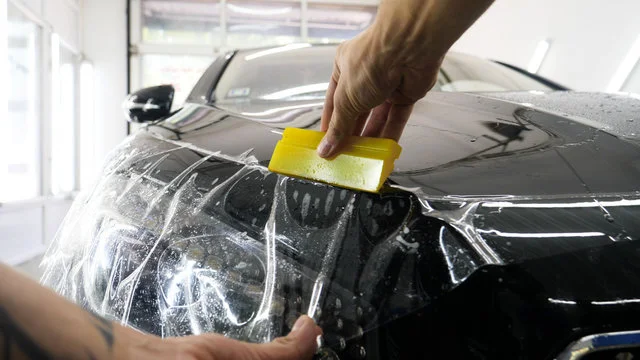
Paint Protection Film (PPF) provides the highest level of protection available. This transparent, self-healing film creates a physical barrier between your paint and the outside world, effectively stopping rock chips, scratches, and other physical damage.
Modern PPF is virtually invisible when properly installed and can be applied to high-impact areas like the front bumper, hood, and side mirrors, or to the entire vehicle. Some films even include self-healing properties that allow minor scratches to disappear with heat application.
For vehicles that see heavy use or owners who want maximum protection, PPF represents the gold standard. However, professional installation is essential, and the cost can be substantial for full vehicle coverage. A vinyl car wrap can also provide some paint protection while allowing for customization, though it’s primarily designed for aesthetics rather than maximum paint preservation.
Maintenance: Preserving Your Protection
Applying protective coatings is only half the battle. Proper maintenance ensures these products continue providing optimal protection throughout their lifespan.
Proper Washing Techniques
Regardless of which protection method you choose, gentle washing techniques remain crucial. Use the two-bucket method, high-quality microfiber towels, and pH-neutral car soaps. Avoid automatic car washes with brush systems that can inflict thousands of micro-scratches with each use.
Regular Inspection and Touch-ups
Periodically inspect your paint protection for signs of wear or damage. Wax and sealants will need reapplication according to their specific timeframes. Ceramic coatings may require periodic maintenance products to maintain their hydrophobic properties.
Environmental Awareness
Remove bird droppings, tree sap, and other corrosive contaminants as quickly as possible. Even the best protection can be overwhelmed by aggressive chemicals left in contact with your paint for extended periods.
Conclusion
Protecting your car’s paint requires commitment, but the rewards extend far beyond aesthetics. Proper paint protection maintains your vehicle’s resale value, prevents costly repairs, and ensures your car continues looking its best for years to come.