
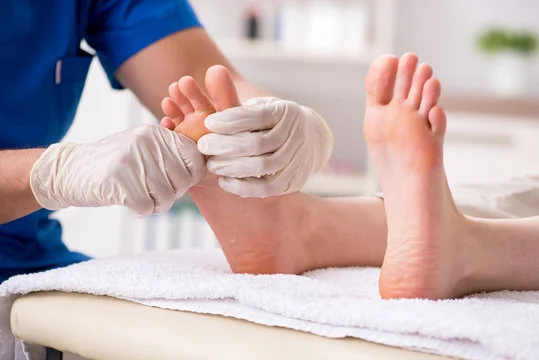
Minor toe surgeries—including bunion removal, hammertoe correction, and ingrown toenail procedures—are among the most common foot operations performed today. While these procedures typically offer excellent outcomes, understanding what to expect during recovery can make the difference between a smooth healing process and unnecessary complications.
Immediate Post-Op Care: The First 48 Hours Matter Most
The first two days after your toe surgery set the foundation for your entire recovery. During this critical period, your body begins the healing process, and how well you care for yourself directly impacts your long-term results.
Rest and Elevation Are Non-Negotiable
Keep your foot elevated above heart level as much as possible during the first 48 hours. This position reduces blood flow to the surgical site, minimizing swelling and promoting proper drainage. Use pillows to prop your foot up while lying down, and consider using a reclining chair during the day.
Avoid putting weight on the affected foot unless your surgeon specifically allows it. Even brief periods of standing or walking can increase swelling and delay healing. If you must move around, use crutches, a walker, or knee scooter as recommended by your healthcare provider.
Ice Application and Pain Management
Apply ice packs for 15-20 minutes every 2-3 hours during the first 48 hours. Wrap the ice pack in a thin towel to prevent direct contact with your skin. This helps control swelling and provides natural pain relief.
Take prescribed pain medications as directed, even if you feel comfortable. Staying ahead of pain is easier than catching up once it intensifies. Most patients receive either prescription pain relievers or recommendations for over-the-counter options like acetaminophen or ibuprofen.
Managing Pain and Swelling Throughout Recovery
Pain and swelling are normal parts of the healing process, but there are several effective strategies to keep both manageable throughout your recovery.
Medication Strategies That Work
Follow your medication schedule consistently during the first week. Many patients make the mistake of skipping doses when they feel better, only to experience increased pain later. If you’re using over-the-counter medications, alternate between acetaminophen and ibuprofen for more effective pain control, but consult your surgeon first.
Consider natural pain relief methods as supplements to medication. Gentle breathing exercises, meditation, and distraction techniques can help reduce your perception of pain without additional medications.
Controlling Swelling Beyond Ice
While ice helps during the first few days, other strategies become important as you progress. Continue elevating your foot whenever possible, especially during sleep. Consider sleeping with your foot elevated on pillows for the first week or two.
Compression can help control swelling, but only use surgical stockings or wraps approved by your surgeon. Inappropriate compression can actually impair healing or cause additional problems.
Stay hydrated and maintain a healthy diet rich in anti-inflammatory foods like leafy greens, berries, and fish. These nutritional choices support your body’s natural healing processes.
Wound Care and Hygiene: Preventing Infection
Proper wound care prevents infection and promotes optimal healing. Your surgeon will provide specific instructions, but these general principles apply to most minor toe surgeries.
Daily Wound Assessment
Check your surgical site daily for signs of proper healing. Normal healing includes mild swelling, slight redness around the incision, and possibly some clear or light yellow drainage. The area should gradually look better each day.
Keep the dressing dry and intact as directed by your surgeon. Many patients can remove their initial dressing after 24-48 hours, but follow your specific instructions. When changing dressings, wash your hands thoroughly and use sterile or clean supplies as recommended.
Showering and Bathing Guidelines
Most surgeons allow showering after 48-72 hours with proper protection of the surgical site. Use a waterproof covering like a plastic bag secured with tape, or consider shower shields designed for post-surgical care. Keep showers brief and avoid soaking the foot.
Avoid baths, swimming pools, hot tubs, and other situations where your foot would be submerged until your surgeon clears you. These environments increase infection risk significantly.
Signs That Require Immediate Attention
Contact your surgeon immediately if you notice increasing redness that spreads beyond the immediate surgical area, red streaking extending up your foot or leg, fever above 101°F, or foul-smelling drainage. These symptoms may indicate infection requiring prompt treatment.
Physical Therapy and Exercises: Restoring Function Safely
Gentle movement and targeted exercises play crucial roles in regaining strength, flexibility, and normal function after toe surgery. However, timing and technique are critical for safe recovery.
When to Start Moving
Most patients can begin gentle range-of-motion exercises within a few days of surgery, but always follow your surgeon’s specific timeline. Starting too early can disrupt healing, while waiting too long can lead to stiffness and prolonged recovery.
Begin with simple toe wiggling and ankle circles while keeping your foot elevated. These movements promote circulation without stressing the surgical site.
Progressive Exercise Program
As healing progresses, gradually add more challenging exercises. Gentle toe stretches, picking up small objects with your toes, and resistance band exercises help restore normal function. Many patients benefit from formal physical therapy sessions, especially after more complex procedures.
Balance exercises become important once you’re cleared for weight-bearing activities. Start with simple standing balance and progress to more challenging activities as your strength and confidence return.
Return to Normal Activities
Most patients can return to desk work within a few days, depending on their specific procedure and comfort level. However, jobs requiring prolonged standing or walking may require several weeks of modified duty.
Athletic activities typically require 6-12 weeks of healing, depending on the sport and surgical procedure. Always obtain clearance from your surgeon before returning to high-impact activities.
Potential Complications and Warning Signs
While serious complications after minor toe surgery are rare, recognizing warning signs early can prevent minor issues from becoming major problems.
Infection Warning Signs
Beyond the obvious signs mentioned earlier, watch for increasing pain after the first few days, swelling that worsens rather than improves, or changes in your overall well-being like fatigue or feeling unwell. Trust your instincts—if something doesn’t feel right, contact your healthcare provider.
Healing Complications
Some patients experience delayed wound healing, especially those with diabetes, circulation problems, or smoking habits. If your incision isn’t showing signs of improvement after a week, or if it reopens, contact your surgeon promptly.
Excessive scar tissue formation can limit mobility and cause ongoing discomfort. Early intervention with appropriate exercises or treatments can minimize these issues.
When to Seek Emergency Care
Seek immediate medical attention for severe, sudden pain that doesn’t respond to prescribed medications, signs of blood clots (sudden calf pain, shortness of breath), or any concerning changes in circulation to your toes (blue or gray coloration, extreme coldness).
Long-Term Recovery and Lifestyle Adjustments
Complete recovery from minor toe surgery extends beyond wound healing. Returning to full function and preventing future problems requires attention to several long-term factors.
Footwear Considerations
Proper shoes play a crucial role in long-term success. Avoid narrow, pointed, or high-heeled shoes that can stress your toes. Choose footwear with adequate toe box space, good arch support, and appropriate cushioning for your activities.
Consider custom orthotics if recommended by podiatrists in Orem or your local area. These devices can help prevent recurrence of problems that led to your surgery.
Activity Modifications
Some patients need to modify their activities permanently to protect their surgical results. This might include choosing low-impact exercises over high-impact sports, or using protective padding during certain activities.
Regular foot care becomes even more important after surgery. Keep your feet clean and dry, trim toenails properly, and address minor issues before they become major problems.
Follow-Up Care
Attend all scheduled follow-up appointments, even if you feel completely healed. Your surgeon needs to monitor your progress and address any concerns early. Many complications are easily treatable when caught early but can become serious if ignored.
Conclusion
Successful recovery from minor toe surgery requires active participation in your care. The steps you take during those crucial first weeks—from proper wound care to following activity restrictions—directly impact your long-term results.