Keibann (Kei Van) in the US (2026): Complete Guide to Legality, Import Rules, and Ownership

What Is a Keibann (Kei Van)?
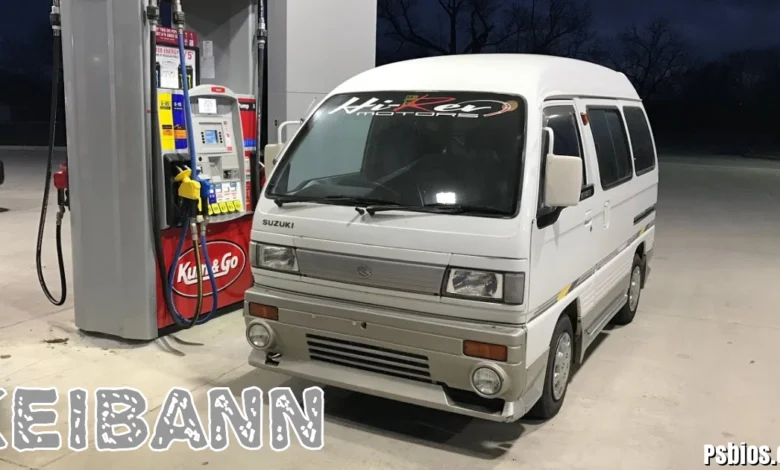
If you’ve ever seen a tiny, boxy van cruising down a back road or parked at a farmer’s market and thought, What in the world is that? — chances are you spotted a keibann, also known as a kei van.
“kei ban” (軽バン) comes from Japan. “Kei” means light, and “ban” (van) refers to its body style. A keibann belongs to Japan’s kei-jidōsha (軽自動車) category — a class of ultra-compact vehicles designed to be affordable, efficient, and incredibly practical. These aren’t just small vans. They’re engineering puzzles solved brilliantly.
In Japan, kei vans are everywhere. Delivery drivers use them. Farmers rely on them. Construction crews pack tools into them. Small business owners depend on them daily. Why? Because they’re cheap to run, easy to maneuver, and unbelievably versatile.
But in the United States (2026), keibanns have become something else entirely — a cult classic. Enthusiasts love their quirky styling. Off-roaders admire their lightweight 4WD capabilities. Small business owners see them as cost-saving machines. And camper van fans? They’re turning them into tiny adventure rigs.
Let’s break down exactly what makes a keibann so unique.
Definition and Meaning of Kei Ban (軽バン)
A keibann is essentially a micro-van built under Japan’s strict kei car regulations. These regulations limit:
-
Engine size: 660cc or less
-
Length: Approximately 3.4 meters (11 feet)
-
Width: Under 1.48 meters (4.9 feet)
-
Height: Around 1.8–2 meters
Think about that for a second. These vans are shorter than many compact sedans in the US. Yet step inside, and you’ll be shocked at the cargo space. It’s like stepping into a tiny warehouse.
The magic lies in their design. Kei vans maximize vertical space. The engine is compact. The wheels are pushed outward. The cabin is box-shaped to increase storage capacity. It’s minimalism done with purpose.
And here’s what really turns heads: some models come with 4WD, making them surprisingly capable off-road. That’s right — this tiny van can crawl up dirt roads like a mountain goat.
Engine Size, Dimensions, and Performance Specs
At first glance, a 660cc engine might sound underwhelming. Most American motorcycles have engines larger than that. But remember — these vans are extremely lightweight.
Typical specs include:
-
Engine: 660cc 3-cylinder
-
Horsepower: 40–64 HP
-
Fuel Economy: 40–50 MPG
-
Top Speed: 65–75 MPH
-
Transmission: Manual or automatic
-
Drive Options: RWD or 4WD
They’re not built for speed. They’re built for efficiency.
Driving a kei van feels different. You’re not commanding a highway beast — you’re piloting a nimble urban tool. It slips into tight parking spots. It navigates narrow streets effortlessly. It’s the vehicle equivalent of a Swiss Army knife.
And in a time when gas prices fluctuate unpredictably, getting 40–50 miles per gallon feels almost rebellious.
Popular Kei Van Models
Several models dominate both the Japanese market and the growing US enthusiast scene.
Suzuki Every
The Suzuki Every is arguably the most recognizable kei van. Known for reliability and simplicity, it’s widely used for deliveries and small business transport. It’s affordable, easy to maintain, and often available in 4WD.
Honda Acty Van
The Honda Acty has legendary status among kei enthusiasts. With its mid-engine layout in some versions and durable build, it’s a favorite for farm work and light-duty hauling.
Subaru Sambar
The Subaru Sambar stands out thanks to its unique rear-engine design (in older generations). It has a cult following in the US, especially among off-road fans who modify it for trail use.
Daihatsu Hijet
The Daihatsu Hijet is one of the longest-running kei models in history. Practical, durable, and widely exported, it’s commonly seen on American farms today.
Each of these vans shares the same DNA: compact size, low operating costs, and maximum usability.
The History and Evolution of Kei Vans
To understand why the keibann exists, we need to go back to the 1940s.
Post-WWII Origins of Kei Vehicles
After World War II, Japan faced economic devastation. Fuel was scarce. Materials were limited. The government needed an affordable transportation solution for businesses and families.
So they created the kei vehicle class.
The goal? Encourage manufacturers to build small, inexpensive, fuel-efficient vehicles. In exchange, owners would receive:
-
Lower taxes
-
Reduced insurance costs
-
Easier registration
It was a genius move. Automakers responded quickly. Small trucks and vans became economic lifelines.
Over time, kei vans evolved. Engines grew slightly stronger (still capped at 660cc). Designs improved. Interiors became more comfortable. But the philosophy remained the same: efficiency above all else.
Tax Benefits and Government Incentives in Japan
Here’s where things get interesting.
In Japan, owning a regular car can be expensive. Parking proof is required. Taxes are higher. Insurance costs more.
Kei vehicles? They receive major financial advantages:
-
Lower road taxes
-
Reduced insurance premiums
-
Less stringent parking requirements in rural areas
These incentives made kei vans incredibly popular in rural and urban settings alike. They became everyday workhorses — not luxury items.
Rise of Kei Vans in the United States
So how did these tiny Japanese vans end up on American soil?
The answer lies in the 25-year import rule.
As early 1990s kei vans began reaching 25 years of age, enthusiasts realized they could legally import them under federal exemptions. Suddenly, affordable, quirky Japanese micro-vans became accessible.
In the US, they found new life as:
-
Farm vehicles
-
Off-road trail rigs
-
Small business delivery vans
-
Camper conversions
-
Collector vehicles
By 2026, kei vans aren’t just oddities. They’re part of a growing niche automotive culture.
Importing a Keibann to the US (2026 Laws Explained)
Before you rush to buy one, you need to understand the legal side.
The 25-Year Import Rule
The Imported Vehicle Safety Compliance Act of 1988 prevents importing vehicles that don’t meet US safety standards.
But there’s a powerful exception: the 25-year rule.
If a vehicle is 25 years old or older, it is exempt from:
-
Federal Motor Vehicle Safety Standards (FMVSS)
-
EPA emissions compliance requirements
That’s why most kei vans on US roads today are from the late 1990s or earlier.
Without this rule, they’d be nearly impossible to register legally.
DOT and EPA Compliance Requirements
Even with the 25-year exemption, you still must:
-
Clear US Customs
-
File EPA and DOT exemption forms
-
Pay import duties (usually 2.5%)
Some states may require minor modifications:
-
Updated seat belts
-
DOT-approved lighting
-
Side mirrors adjustments
It’s not overly complicated — but it must be done properly.
Import Duties, Costs, and Required Modifications
Expect total landed costs (including shipping and fees) to range from:
-
$6,000 to $12,000 depending on model and condition
Additional expenses may include:
-
State registration fees
-
Insurance
-
Minor compliance updates
Professional importers like Japan Car Direct or registration services such as Dirt Legal often help streamline the process.
Why Newer Kei Vans Are Banned
Kei vans under 25 years old cannot be legally imported for road use because they don’t meet:
-
US crash standards
-
US emissions regulations
They may be imported only for off-road or private property use.
Safety concerns — especially collisions involving larger American vehicles — heavily influence these restrictions.
Is the Keibann Street Legal in Your State? (2026 Updated Guide)
Here’s where things get complicated — and honestly, a little frustrating.
Federal law allows 25+ year-old kei vans to be imported. But once that van arrives in the US, state laws take over. And every state plays by its own rulebook.
Some welcome them with open arms. Others restrict them heavily. A few ban them outright.
Why the confusion? It mostly comes down to safety concerns. Kei vans are small. They lack modern airbags. They weren’t crash-tested against full-size American trucks. Lawmakers worry about speed differences and highway compatibility.
And here’s one important fact for 2026:
No state allows kei vans on interstate highways.
Even in fully legal states, interstate travel is generally prohibited due to speed and safety limitations.
Let’s break it down clearly.
Fully Legal States
In these states, 25-year-old kei vans can be registered and driven on public roads, typically with minimal restrictions:
-
Alabama
-
Arizona
-
Arkansas
-
Connecticut
-
Hawaii
-
Idaho
-
Indiana
-
Kentucky
-
Louisiana
-
Mississippi
-
North Carolina
-
Ohio
-
Oklahoma (non-interstate)
-
South Carolina
-
South Dakota
-
Tennessee
-
Texas (legalized in 2024 via SB1816)
-
Utah
-
Washington
-
Wisconsin
-
Wyoming
In these states, the process is similar to registering any older imported vehicle. You’ll still need proper paperwork, customs forms, and proof of age — but once registered, you’re generally good to go on public roads (excluding interstates).
Texas deserves special mention. After previously restricting kei vehicles, Texas legalized them again in 2024, making it one of the largest markets for kei vans in the US.
Restricted States
These states allow kei vans — but with limitations:
-
Speed caps (often 35–55 mph)
-
Restricted to non-highway roads
-
Agricultural or local-use permits only
-
Historic or antique vehicle registration
Restricted states include:
-
Michigan
-
Minnesota
-
Nebraska
-
New Hampshire (35 mph limit)
-
Pennsylvania
-
Rhode Island
-
Virginia
-
West Virginia
In many of these states, kei vans are classified similarly to low-speed vehicles (LSVs), even though they technically don’t fit that category. It’s a gray area.
If you live in one of these states, always verify with your local DMV, because county-level interpretation can vary.
Illegal States
These states currently prohibit kei vans for street use:
-
Alaska
-
Georgia (registrations stopped in 2023)
-
Iowa
-
Maryland
-
Nevada
-
New Jersey
-
New Mexico
-
New York
-
Vermont
In Georgia and Maine, previously registered kei vans even faced deregistration in 2023. That caused major backlash among owners.
In these states, kei vans may still be owned for:
-
Private property use
-
Farm use
-
Off-road applications
But public road registration is not allowed.
States With No Clear Recorded Law
Some states don’t explicitly mention kei vehicles in their code. That doesn’t mean automatic approval — it means case-by-case handling.
These include:
-
Delaware
-
District of Columbia
-
Illinois
-
Kansas
-
Maine (effectively restricted)
-
Missouri
-
Montana
-
North Dakota
In these locations, outcomes depend heavily on local DMV interpretation.
Complete 50-State Legality Table (2026)
| State | Status | Notes |
|---|---|---|
| Alabama | Legal | Full road use |
| Alaska | Illegal | Safety concerns |
| Arizona | Legal | Standard registration |
| Arkansas | Legal | Possible speed limits |
| California | Legal* | Strict emissions |
| Colorado | Pending | Under legislative review |
| Connecticut | Legal | Standard DMV registration |
| Delaware | No Recorded Law | Check DMV |
| DC | No Recorded Law | Consult authorities |
| Florida | Legal | <35 mph roads in some counties |
| Georgia | Illegal | Registrations halted |
| Hawaii | Legal | Fully permitted |
| Idaho | Legal | No restrictions |
| Illinois | No Recorded Law | County variation |
| Indiana | Legal | No speed caps |
| Iowa | Illegal | Not allowed |
| Kansas | No Recorded Law | Confirm locally |
| Kentucky | Legal | Standard rules |
| Louisiana | Legal | Modifications may apply |
| Maine | Restricted | Registrations halted |
| Maryland | Illegal | Banned |
| Massachusetts | Legal | Allowed with review |
| Michigan | Restricted | Limited roads |
| Minnesota | Restricted | Speed limits apply |
| Mississippi | Legal | Full use |
| Missouri | No Recorded Law | Emissions check |
| Montana | No Recorded Law | Generally allowed |
| Nebraska | Restricted | Partial |
| Nevada | Illegal | Prohibited |
| New Hampshire | Restricted | 35 mph max |
| New Jersey | Illegal | Banned |
| New Mexico | Illegal | Not allowed |
| New York | Illegal | Deregistration possible |
| North Carolina | Legal | Full road use |
| North Dakota | No Recorded Law | Case-by-case |
| Ohio | Legal | Standard |
| Oklahoma | Legal | No interstates |
| Oregon | Illegal | Considering legalization |
| Pennsylvania | Restricted | Low-speed roads |
| Rhode Island | Restricted | Limited use |
| South Carolina | Legal | Allowed |
| South Dakota | Legal | Full use |
| Tennessee | Legal | No issues |
| Texas | Legal | Legalized 2024 |
| Utah | Legal | Permitted |
| Vermont | Illegal | Ban push ongoing |
| Virginia | Restricted | Limited allowances |
| Washington | Legal | 25+ year models |
| West Virginia | Restricted | Road-type limits |
| Wisconsin | Legal | Allowed |
| Wyoming | Legal | Full use |
Laws change frequently. Always verify with your DMV before purchasing.
Why Americans Are Falling in Love with Kei Vans
Let’s be honest. Part of it is the look.
They’re small. They’re boxy. They look like cartoon delivery vans. But the love goes much deeper than aesthetics.
Fuel Economy: The 40–50 MPG Advantage
In a world of rising fuel costs, getting 40–50 miles per gallon feels almost unbelievable.
Compare that to:
-
Full-size pickup: 15–22 MPG
-
Cargo van: 12–18 MPG
-
SUV: 18–25 MPG
The math speaks loudly.
For small businesses — think local florists, mobile coffee vendors, farmers — fuel savings alone can justify the purchase.
And because the engines are simple 660cc three-cylinders, maintenance is usually straightforward. Fewer electronics. Less complexity. Lower repair costs.
It’s mechanical minimalism — and it works.
Off-Road and 4WD Capabilities
Here’s the surprise most people don’t expect:
Many kei vans come with 4WD and low-range gearing.
Because they’re lightweight, they perform incredibly well on:
-
Dirt roads
-
Farm trails
-
Snowy paths
-
Light off-road terrain
They’re not rock crawlers. But for rural property owners? They’re ideal.
Imagine a tiny mountain goat disguised as a delivery van. That’s the vibe.
Farm, Business, and Urban Utility
Farmers across legal states use kei vans as affordable utility vehicles. They’re cheaper than a new UTV. They’re enclosed. They have heat. Some even have air conditioning.
Urban entrepreneurs love them for:
-
Food delivery
-
Tool transport
-
Mobile detailing
-
Plant and flower transport
Parking is effortless. Turning radius is tight. Operating costs are minimal.
They’re practical in a way modern oversized vehicles sometimes aren’t.
Kei Vans as Camper Conversions
This is where creativity explodes.
Kei van camper builds are trending hard in 2026.
Owners install:
-
Fold-out beds
-
Mini kitchens
-
Solar panels
-
Storage systems
It’s like a tiny home on wheels — but even smaller.
Sure, you won’t stand upright comfortably unless it’s a high-roof model. But for weekend adventurers? It’s enough.
Minimalism meets mobility.
Should You Buy a Keibann in 2026? Pros, Cons, and Expert Tips
So now the big question:
Should you actually buy one?
Let’s break it down honestly.
Advantages of Ownership
-
Exceptional fuel economy (40–50 MPG)
-
Low purchase cost compared to US vans
-
Simple mechanical systems
-
Unique styling
-
Strong resale demand in legal states
-
4WD availability
-
Compact urban maneuverability
They’re affordable, functional, and undeniably charming.
Safety Concerns and Limitations
Now the reality check.
Kei vans:
-
Lack modern crash safety ratings
-
Often don’t have airbags
-
Are small compared to US vehicles
-
Struggle above 65–70 mph
In a collision with a full-size pickup, physics is not on your side.
That’s why interstate bans exist nationwide.
They’re best suited for:
-
Rural roads
-
City driving
-
Farm use
-
Secondary highways
Not cross-country interstate travel.
Insurance and Registration Tips
Insurance can be tricky. Some companies hesitate because:
Specialty insurers often provide smoother coverage.
For registration:
-
Bring import paperwork
-
Provide proof of age (25+ years)
-
Verify local road restrictions
Services like Dirt Legal often assist buyers in complicated states.
Final Buying Advice for US Drivers
If you live in a fully legal state, need a practical small vehicle, and understand the safety limitations — a keibann can be an incredible value.
If you commute daily on 75 mph highways? It’s probably not the right tool.
Think of it like this:
A kei van isn’t a Swiss Army sword.
It’s a Swiss Army knife.
Use it for the right job — and it excels.
Conclusion
The keibann (kei van) represents something rare in today’s automotive world: simplicity with purpose.
Born from post-war necessity in Japan, it evolved into one of the most practical micro-vehicles ever built. With 660cc engines, 40–50 MPG fuel economy, compact dimensions, and 4WD options, kei vans deliver efficiency that many modern vehicles simply can’t match.
In the United States in 2026, they occupy a fascinating space — legally allowed in many states, restricted in others, banned in some. The 25-year import rule remains the key gateway for enthusiasts.
They’re not for everyone. They aren’t highway cruisers. They aren’t crash-test champions.
But for farms, small businesses, off-road trails, and creative camper builds? They’re brilliant.
And maybe that’s why their popularity keeps growing.
Sometimes smaller really is smarter.
FAQs
1. Are kei vans legal in all 50 states in 2026?
No. Around 19 states restrict or ban them. Always check your DMV before purchasing.
2. Can a kei van drive on the interstate?
No state currently allows interstate use due to speed and safety limitations.
3. How much does it cost to import a kei van?
Typically between $6,000 and $12,000 including shipping and fees.
4. Are kei vans safe?
They lack modern crash protections and airbags, making them less safe than standard US vehicles in high-speed collisions.
5. What is the fuel economy of a kei van?
Most models achieve 40–50 MPG, making them extremely fuel efficient.