
1. What Is Hyperfiksaatio?
The term “hyperfiksaatio” (Finnish for hyperfixation) refers to an intense mental focus or deep obsession with a specific interest, activity, or subject for a period of time. During a hyperfixation phase, a person may find it difficult to concentrate on anything else, spending hours or even days immersed in that one topic.
Hyperfixation is commonly discussed in connection with neurodivergent conditions such as ADHD (Attention Deficit Hyperactivity Disorder) and autism spectrum disorder (ASD), though anyone can experience it occasionally.
For example, someone might become completely absorbed in learning a new skill, binge-watching a TV series, researching a hobby, or playing a video game — to the point of losing track of time or neglecting other responsibilities.
While hyperfixation can be energizing and fulfilling, it can also become overwhelming if it interferes with daily life or social interactions.
2. The Psychology Behind Hyperfiksaatio
So, what causes hyperfiksaatio? It’s a fascinating neurological and psychological process rooted in how the brain manages dopamine and attention.
People with ADHD or autism often have brains that seek high levels of stimulation or structured focus. When they find something that captures their interest deeply, their brain releases dopamine, creating a rewarding sense of satisfaction and excitement.
This leads to:
-
Increased concentration on one topic.
-
Reduced awareness of external stimuli (time, hunger, etc.).
-
Enhanced creativity and productivity within the fixation.
However, this can also result in burnout or frustration when the interest fades or when real-world demands (like work or school) conflict with the fixation.
In essence, hyperfiksaatio acts as both a coping mechanism and a source of passion, depending on how it’s managed.
3. Signs and Symptoms of Hyperfiksaatio
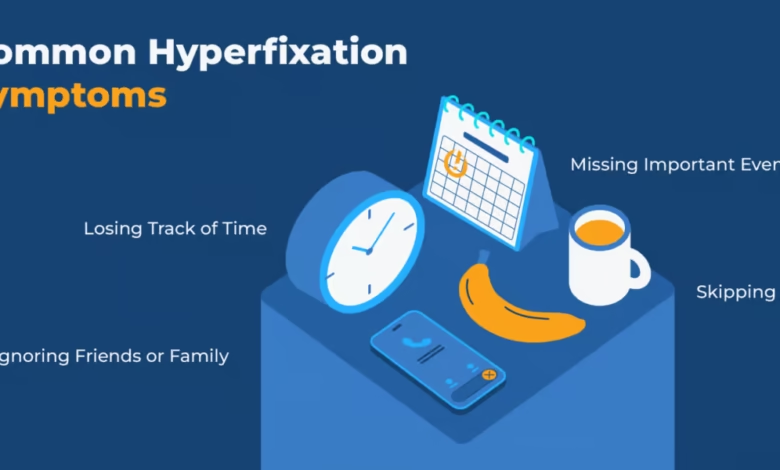
Recognizing hyperfiksaatio can help individuals better understand their behavior and maintain balance. Common signs of hyperfixation include:
-
Spending hours or days focused on a single activity or interest.
-
Neglecting sleep, meals, or chores while immersed in the fixation.
-
Feeling intense excitement or joy when engaging with the interest.
-
Frustration or anxiety when interrupted or unable to continue.
-
Difficulty transitioning to new tasks once the fixation starts.
In a mild form, hyperfixation can feel like being “in the zone” — a productive flow state where creativity and learning thrive. In stronger forms, it can become disruptive, leading to stress or exhaustion once the fixation fades.
It’s important to note that hyperfixation is not inherently bad; the challenge lies in maintaining balance between passion and self-care.
4. Hyperfiksaatio and ADHD / Autism
For people with ADHD, hyperfiksaatio is a double-edged sword. Although ADHD is often associated with difficulty focusing, it also involves hyperfocus — the ability to concentrate intensely on something stimulating.
When the brain finally finds an activity that releases dopamine effectively, it may lock onto it for long periods. This can be useful for productivity (for instance, when working on a creative project) but can also make it hard to switch to other necessary tasks.
Similarly, in autism spectrum disorder (ASD), hyperfixation is often expressed through “special interests.” These are deep, long-term passions — like trains, animals, programming, or art — that provide comfort, structure, and meaning.
For neurodivergent individuals, hyperfiksaatio can serve as:
-
A form of self-regulation against anxiety or sensory overload.
-
A way to explore identity and mastery in areas of fascination.
-
A source of joy and connection, especially in communities with shared interests.
Recognizing the positive role of hyperfixation in neurodivergent lives helps reduce stigma and encourages acceptance of diverse thinking patterns.
5. How to Manage Hyperfiksaatio Effectively
While hyperfiksaatio can feel empowering, it’s essential to find healthy boundaries to prevent burnout or imbalance. Here are some effective management strategies:
1. Set gentle time limits
Use alarms or reminders to take breaks, eat, and rest. Even a short pause helps the brain reset.
2. Prioritize self-care
Hydrate, stretch, and sleep. Remember that mental energy drains faster during intense focus.
3. Schedule your fixations
Instead of fighting them, plan time for your interests. This allows you to enjoy them without guilt.
4. Communicate with others
Explain to friends or family what you’re working on. Understanding can prevent conflict or misunderstanding.
5. Use hyperfixation productively
Channel that focus into career projects, creative work, or learning goals. Many successful artists, scientists, and developers owe their expertise to focused passion.
By learning how to embrace and manage hyperfixation, you can transform it from a challenge into a superpower of creativity and insight.
6. The Positive Side of Hyperfiksaatio
Despite its challenges, hyperfiksaatio has incredible benefits. People who experience it often show exceptional concentration, curiosity, and skill mastery in their chosen areas.
Historically, some of the most creative minds — from inventors to musicians — have displayed hyperfixation-like traits, immersing themselves in their work for long periods.
The key is not to suppress hyperfixation but to understand it as part of how your brain works. When managed mindfully, it can become a source of motivation, confidence, and self-expression.
In a world that often values multitasking and constant distraction, being able to deeply focus can be an extraordinary gift.
Conclusion
The concept of hyperfiksaatio reminds us that focus and passion are powerful forces. Whether it stems from ADHD, autism, or natural curiosity, hyperfixation helps us connect deeply with what we love — if we balance it with self-care and awareness.
Understanding and accepting hyperfiksaatio allows us to harness its strength, turning obsession into mastery and intensity into creativity.
FAQs
1. What does “hyperfiksaatio” mean?
It means hyperfixation — an intense focus on one subject or activity for an extended time.
2. Is hyperfiksaatio a disorder?
No, it’s a behavioral pattern often associated with ADHD or autism, not a mental illness by itself.
3. How long can hyperfixation last?
It can last a few hours to several weeks, depending on the person and interest.
4. Is hyperfixation good or bad?
It can be positive or negative, depending on how well it’s managed and how it affects daily life.
5. How can I manage hyperfiksaatio?
Use time management, self-care, and communication to maintain balance while embracing your passions.