

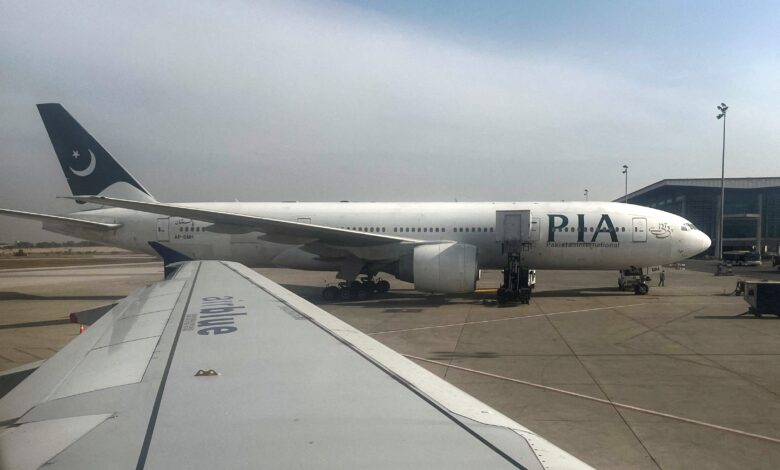
For many UK travellers, long-haul flights to Pakistan are just the first step of a multi-city journey. Pakistan’s domestic airport network is extensive, structured around a handful of major hubs that keep the country moving. Understanding how these airports operate – from check-in procedures to transfer times – makes internal travel smoother and reduces the stress of tight connections.
The Main Domestic Hubs
Pakistan’s domestic system is anchored by five primary airports. Each handles a significant share of internal passenger flow, but the way they operate varies slightly.
Islamabad International Airport (ISB)
The country’s newest major airport and the most efficient for domestic connections from northern Pakistan. Wide taxiways and modern boarding gates help keep turnaround times stable, though fog in winter can still slow operations.
Karachi Jinnah International Airport (KHI)
The largest and busiest airport. Karachi is the operational backbone for most domestic carriers, with multiple daily departures to Lahore, Islamabad, Quetta and Peshawar. Expect more foot traffic and longer queues at peak times.
Lahore Allama Iqbal International Airport (LHE)
A key hub for central Pakistan. Lahore sees heavy commuter demand, and while terminal space is modern, security queues can back up during early-morning and late-evening waves.
Peshawar Bacha Khan International Airport (PEW)
Smaller but strategically important for northwest connections. The domestic terminal is compact, which makes navigation simple but can feel crowded at peak operating hours.
Quetta International Airport (UET)
An essential link for Balochistan. Facilities are more basic, and weather-related delays are more common due to surrounding mountains and visibility challenges.
Check-In Flow and Security Differences
Domestic check-in in Pakistan is generally straightforward, though there are some differences from UK processes:
- Check-in counters typically open 90–120 minutes before departure. Online check-in is available for major airlines but less consistent across smaller carriers.
- Document checks are stricter at entry. Travellers must show passports or CNIC/ID immediately upon terminal entry, a step that surprises some passengers used to walking straight into UK terminals.
- Security screening is more hands-on. Expect multiple layers of checks, including separate bag scans and occasional manual inspections.
- Boarding passes are stamped manually. Many airports still rely on gate stamping rather than automated scanning.
The flow feels more segmented than in UK airports, but once familiar with the pattern, it becomes predictable.
Baggage Rules and What to Expect
Pakistani domestic carriers generally enforce lighter baggage allowances than international long-haul flights:
- 15–20kg checked baggage is standard in economy cabins.
- 5–7kg cabin baggage is typical, though enforcement varies.
- Laptops must be removed at most domestic security stations, even if not always required at UK equivalents.
- ** Oversized or specialist equipment** (camera kits, sports gear) may require extra screening.
Passengers connecting directly after flights to Pakistan should also note that through-checked luggage is not always guaranteed unless booked on a single ticket or within the same airline group.
Transfer Times Between Domestic Flights
Domestic transfers are manageable, but travellers should allow more time than they would for intra-Europe flights:
- At least 2 hours for connections at Lahore and Karachi during busy periods.
- Longer buffers (2.5–3 hours) recommended during winter months in Islamabad due to fog risk.
- Shorter airports like Peshawar and Quetta may allow tight transfers, but weather unpredictability makes a conservative approach sensible.
Most airports separate domestic and international terminals, so walking distances can vary widely.
Aircraft Types and Why Delays Happen
Domestic services typically use a combination of:
- ATR 42/72 turboprops for shorter routes and remote regions
- Airbus A320 family aircraft for major city-to-city links
Delays often occur for three operational reasons:
- Weather shifts – Fog in Punjab and Islamabad, monsoon rain in Karachi, and desert winds in Balochistan can all halt operations quickly.
- ATC congestion – Peak domestic waves can strain runway capacity, especially in Karachi.
- Aircraft rotation delays – Smaller fleets mean a delay on one ATR can ripple through multiple routes.
On-Ground Facilities and Passenger Services
Facilities vary widely between airports, but travellers can expect the following:
Lounges
- Available in Islamabad, Lahore and Karachi.
- Access usually granted via airline status, business-class tickets or paid entry.
- Smaller hubs like Peshawar and Quetta offer basic waiting rooms rather than formal lounges.
SIM Card Counters
- Major airports (ISB, LHE, KHI) feature counters for Jazz, Zong and Ufone.
- A passport is required for SIM activation under biometric rules.
- Counters may not operate 24/7; late-night arrivals often need to wait until morning.
ATMs and Cash Machines
- Widely available in larger airports.
- Cash dispensers can occasionally run out of notes during peak travel seasons.
- Smaller airports may only have one or two machines, so withdrawing earlier in the journey is advisable.
Food, Retail and Prayer Areas
- Food outlets are limited airside in smaller airports.
- Prayer rooms are consistently available across the network.
- Duty-free options on domestic flights are minimal to non-existent.
Final Thoughts
For UK travellers navigating internal routes after arriving in Pakistan, understanding the layout and operational style of the domestic airport network makes a noticeable difference. While facilities and processes vary across the main hubs, the system is structured, predictable and manageable once you know what to expect. With the right buffers for check-in, weather and transfers, domestic travel across Pakistan becomes a smooth extension of your international journey.