How to Design a Contemporary Home: Complete 2026 Guide

How to Design a Contemporary Home? Designing a contemporary home in 2026 is all about creating a space that feels modern, functional, and visually balanced. Unlike traditional styles, contemporary design evolves with time, blending clean lines, open layouts, and innovative materials. Whether you’re building a new house or renovating an existing one, understanding the core principles of contemporary home design will help you achieve a stylish and comfortable living environment.
This guide covers everything you need to know about how to design a contemporary home, from layout planning to materials and finishing touches.
Understanding Contemporary Home Design
Before starting your project, it’s important to understand what defines a contemporary home. This style focuses on simplicity, functionality, and connection to the surrounding environment.
Contemporary design is often confused with modern design, but they are not identical. While modern design refers to a specific historical period, contemporary design reflects current trends and evolving aesthetics.
Key characteristics include:
-
Clean architectural lines
-
Minimal ornamentation
-
Open and airy spaces
-
Integration with nature
The goal is to create a home that feels uncluttered yet warm, combining both form and function seamlessly.
Open Floor Plans and Space Optimization
Why Open Layouts Matter
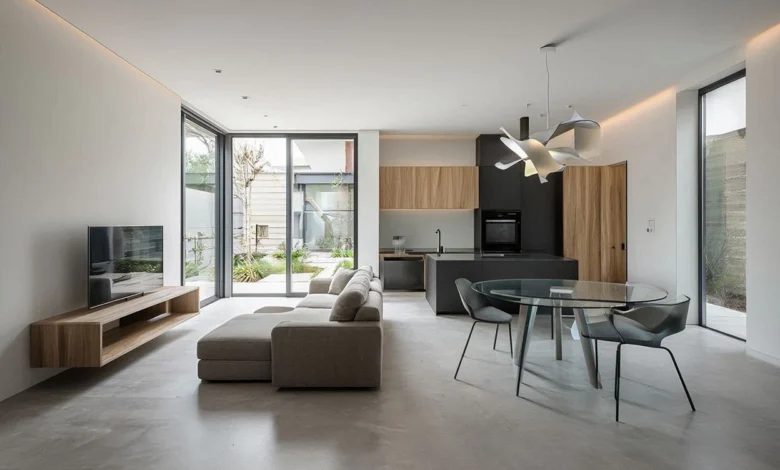
One of the most important elements when learning how to design a contemporary home is the use of open floor plans. This approach eliminates unnecessary walls, allowing spaces like the kitchen, dining, and living room to flow together.
Open layouts provide several benefits:
-
Improve natural light distribution
-
Enhance social interaction
-
Make the home feel larger and more connected
Smart Space Planning
To make the most of an open plan, use furniture and rugs to define zones without blocking the flow. For example, a sofa can separate the living area from the dining space without the need for walls.
This design strategy creates a seamless and flexible living environment, which is a hallmark of contemporary homes.
Choosing the Right Color Palette
Color plays a major role in shaping the atmosphere of a contemporary interior.
Neutral Base with Bold Accents
Most contemporary homes use a neutral color palette such as:
-
White
-
Grey
-
Black
-
Beige
These tones create a calm and sophisticated backdrop.
Adding Contrast and Personality
To avoid a dull look, designers often introduce bold accents through:
-
Artwork
-
Furniture
-
Decorative elements
High-contrast combinations, like black and white, are especially popular in 2026, adding depth and visual interest without overwhelming the space.
Materials and Textures in Contemporary Homes
The choice of materials is essential when designing a modern contemporary home.
Natural and Industrial Materials
A balanced mix of materials creates a unique and stylish look. Common materials include:
-
Wood for warmth
-
Glass for openness
-
Steel and metal for an industrial touch
-
Concrete or stone for durability
Layering Textures
Even though contemporary design is minimalist, it should not feel cold. Adding textures like:
-
Soft rugs
-
Fabric upholstery
-
Textured wall finishes
helps create a comfortable and inviting environment.
Maximizing Natural Light and Indoor-Outdoor Living
Large Windows and Glass Features
Natural light is a defining feature of contemporary home design. Homes often include:
-
Floor-to-ceiling windows
-
Sliding glass doors
-
Skylights
These elements make interiors feel bright, open, and connected to nature.
Seamless Indoor-Outdoor Connection
Modern homes often blur the line between indoor and outdoor spaces. Features like:
-
Glass walls that open fully
create a continuous flow, enhancing both functionality and lifestyle.
Furniture, Lighting, and Minimalist Styling
Furniture Selection
Furniture in a contemporary home should feature:
-
Clean lines
-
Simple shapes
-
Functional design
Avoid overly ornate or bulky pieces. Instead, choose items that are both practical and visually appealing.
Lighting Design
Lighting plays a key role in enhancing the overall aesthetic. Popular options include:
-
Recessed lighting
-
Pendant lights
-
Minimalist wall sconces
These lighting solutions highlight architectural features while maintaining a sleek look.
Clutter-Free Living
A key principle of contemporary design is minimalism. Use hidden storage solutions to keep spaces organized and free from clutter.
Conclusion: Creating a Timeless Contemporary Home
Learning how to design a contemporary home involves more than just following trends—it requires a thoughtful balance of space, light, materials, and functionality. By focusing on open layouts, neutral color palettes, natural materials, and minimalist design, you can create a home that feels both modern and timeless.
In 2026, contemporary homes continue to evolve, emphasizing sustainability, comfort, and smart living solutions. Whether you’re designing from scratch or updating your current space, applying these principles will help you achieve a stylish, functional, and future-ready home.