
Gas Mileage for a Prius: Everything You Need to Know About Toyota’s Hybrid Efficiency

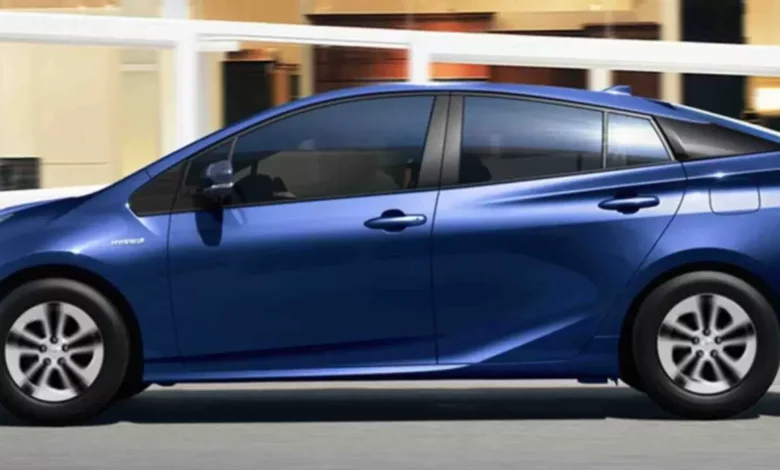
If you’re thinking about buying a Toyota Prius, one of the biggest reasons is probably its incredible gas mileage. The Prius has become almost synonymous with fuel efficiency since its debut, and it continues to be one of the most fuel-efficient cars on the market.
But how good is the gas mileage for a Prius, and how does it compare to other hybrids or gas-powered vehicles? In this article, we’ll break down everything you need to know — from real-world MPG numbers to hybrid system details and fuel-saving tips.
1. What Is the Average Gas Mileage for a Toyota Prius?
Gas Mileage for a Prius: The Toyota Prius has long been known as the benchmark for hybrid fuel economy, and its numbers continue to impress.
According to EPA estimates, the 2025 Toyota Prius achieves an average of 52 to 57 miles per gallon (MPG) depending on the trim level and configuration.
Here’s a quick breakdown of official EPA ratings for recent Prius models:
| Model Year | Trim | City MPG | Highway MPG | Combined MPG |
|---|---|---|---|---|
| 2025 Prius | LE (FWD) | 57 | 56 | 57 MPG |
| 2025 Prius | XLE / Limited (FWD) | 52 | 52 | 52 MPG |
| 2024 Prius | LE (AWD) | 53 | 54 | 54 MPG |
| 2023 Prius | All Trims (average) | 52–57 | 52–56 | 54–56 MPG |
These figures make the Prius one of the most fuel-efficient non-plug-in vehicles sold today. Even compared to plug-in hybrids, it’s among the top performers for long-term savings at the gas pump.
2. What Makes the Prius So Fuel-Efficient?
The gas mileage for a Prius doesn’t happen by accident — it’s the result of decades of Toyota hybrid innovation.
The Prius uses Toyota’s Hybrid Synergy Drive, a system that combines a gasoline engine with one or more electric motors to optimize fuel use. This system allows the Prius to run on electric power at low speeds and blend in gasoline power only when needed, reducing wasted fuel.
Key Fuel-Saving Technologies in the Prius:
-
Regenerative Braking: Converts braking energy into electricity to recharge the battery.
-
Atkinson-Cycle Engine: Uses an efficient combustion process that burns fuel more cleanly.
-
Lightweight Aerodynamic Design: The Prius has a drag coefficient as low as 0.24, one of the lowest in the industry.
-
EV Mode: Enables all-electric driving for short distances, ideal for city traffic.
-
Eco Driving Features: The onboard computer encourages smoother driving habits to maximize efficiency.
Together, these features explain why the Prius consistently outperforms traditional gasoline cars — and even some hybrids — in terms of miles per gallon.
3. Real-World Gas Mileage vs. EPA Ratings
While EPA estimates are useful, real-world conditions can affect actual gas mileage. Many drivers report slightly lower numbers in practice, depending on driving habits, climate, and road conditions.
Based on owner feedback and testing:
-
City driving usually achieves around 50–55 MPG.
-
Highway mileage ranges from 48–54 MPG, depending on speed and terrain.
-
Average combined results hover around 52–55 MPG, which is still exceptional.
Factors that impact real-world Prius gas mileage include:
-
Cold Weather: Batteries are less efficient at low temperatures.
-
Driving Speed: The Prius performs best below 70 mph.
-
Tire Pressure: Low tire pressure can reduce efficiency by up to 5%.
-
Cargo Weight: Extra load means extra fuel consumption.
-
Air Conditioning Usage: Heavy A/C use slightly decreases MPG.
Even with these variables, the Prius remains one of the few vehicles that consistently delivers over 50 MPG in everyday driving.
4. Comparing Prius Gas Mileage with Other Cars
To understand the Prius’s efficiency advantage, it helps to see how it compares to similar vehicles in its class.
| Vehicle | Fuel Type | Combined MPG (EPA) |
|---|---|---|
| Toyota Prius (2025) | Hybrid | 52–57 MPG |
| Hyundai Ioniq Hybrid | Hybrid | 55 MPG |
| Honda Insight | Hybrid | 52 MPG |
| Toyota Corolla Hybrid | Hybrid | 50 MPG |
| Mazda 3 (Gasoline) | Gasoline | 31 MPG |
| Nissan Sentra | Gasoline | 33 MPG |
Even among hybrids, the Prius sits at or near the top of the fuel efficiency rankings. Gas-only compact sedans lag behind by almost 20 MPG or more, which translates into hundreds of pounds of CO₂ emissions saved each year — and significant fuel savings over time.
5. How to Maximize Gas Mileage in a Prius
While the Prius is already efficient, you can boost your MPG even further by following a few simple driving habits and maintenance tips.
Top Tips to Improve Prius Gas Mileage:
-
Use ECO Mode: This mode smooths acceleration and limits A/C power for better efficiency.
-
Anticipate Traffic: Smooth acceleration and gentle braking help the hybrid system recover more energy.
-
Maintain Tire Pressure: Keep tires inflated to factory specifications for optimal rolling resistance.
-
Avoid Excessive Idling: The hybrid engine shuts off automatically, but keeping the A/C on full blast wastes battery energy.
-
Limit Cargo Weight: Every 100 pounds reduces fuel efficiency by 1–2%.
-
Regular Maintenance: Replace filters and service the hybrid system per Toyota’s schedule.
By combining good maintenance with efficient driving habits, many Prius owners report achieving up to 60 MPG under ideal conditions.
6. The Environmental and Economic Benefits of Prius Fuel Efficiency
Beyond personal savings, the Prius’s outstanding gas mileage also contributes to lower emissions and environmental sustainability.
A typical Prius emits about 40–50% less CO₂ than comparable gasoline-powered vehicles. Over the course of five years, that can amount to tons of greenhouse gases prevented — making the Prius an excellent choice for eco-conscious drivers.
Economic Impact:
Assuming average gas prices of $3.50 per gallon and driving 15,000 miles per year, a Prius owner (averaging 55 MPG) would spend roughly:
-
$955 per year on fuel
Compare that to a standard car averaging 30 MPG, which would cost:
-
$1,750 per year on fuel
That’s nearly $800 in savings annually — or over $4,000 across five years.
In short, the Prius offers the perfect blend of savings, performance, and environmental responsibility, which explains why it continues to dominate hybrid sales worldwide.
Conclusion: The Prius Still Reigns as the King of Fuel Efficiency
When it comes to gas mileage, the Toyota Prius remains the gold standard for hybrids — delivering 50+ MPG across all trims without compromising comfort or technology. Whether you prioritize fuel savings, eco-friendliness, or long-term reliability, the Prius continues to outperform expectations year after year.
If you’re looking for a smart, efficient, and proven hybrid, the Prius’s gas mileage makes it one of the most economical cars you can buy in 2025.
FAQs
1. What is the best MPG for a Toyota Prius?
The 2025 Prius LE (FWD) achieves up to 57 MPG combined, making it the most efficient trim.
2. Does driving fast affect Prius gas mileage?
Yes — driving above 70 mph can significantly reduce efficiency due to aerodynamic drag.
3. Can a Prius run only on electric power?
For short distances and at low speeds, yes. It can operate in EV mode before switching to hybrid power.
4. How long does the Prius hybrid battery last?
Toyota hybrid batteries are designed to last 8–10 years or 150,000 miles, often much longer.
5. Is the Prius still worth buying in 2025?
Absolutely. With top-tier MPG, advanced hybrid tech, and reliability, it remains one of the best-value cars available.