Galveston Seawall Boulevard Buckling: Full 2026 Update on Texas Heat Damage, Repairs & Future Resilience

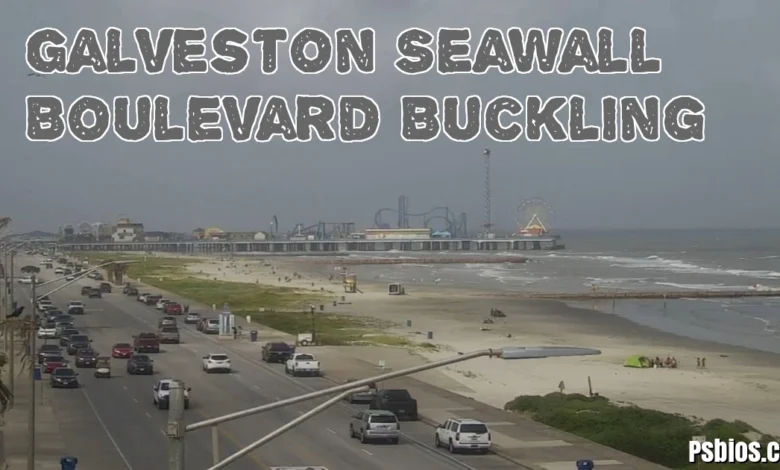
In 2026, “Galveston Seawall Boulevard buckling” still sparks conversation across Texas. What started as a dramatic heat-related roadway failure in August 2025 quickly became a viral moment, infrastructure wake-up call, and climate resilience case study for the entire United States.
Seawall Boulevard isn’t just another coastal road. It runs parallel to the historic Galveston Seawall, a hurricane-protection structure built after the devastating 1900 storm. It’s a 10-mile scenic stretch, a tourism lifeline, and a critical evacuation route during Gulf Coast emergencies.
When extreme Texas heat caused the asphalt to buckle — sending cars briefly airborne — it exposed deeper vulnerabilities in aging coastal infrastructure.
Here’s the complete 2026 update, including what caused it, how it was repaired, and what long-term changes are coming.
The 2025 Buckling Incident: What Happened on Seawall Boulevard
Galveston Seawall Boulevard Buckling: On Sunday, August 17, 2025, drivers along the 7700 block of Seawall Boulevard near 77th Street encountered something unexpected — a rapidly forming asphalt ridge that turned part of the road into what locals called a “speed bump from hell.”
Key Incident Details
-
The buckle developed in the eastbound lanes between 77th and 79th Streets
-
It worsened dramatically around 5:30 p.m.
-
Multiple lanes were impacted
-
Traffic was rerouted immediately
-
No major injuries were reported
Videos quickly spread on social media showing vehicles launching slightly as they crossed the raised asphalt section. While there were no widespread reports of severe accidents, the visual impact was startling.
A smaller but similar buckling issue was also noted in December 2025, reinforcing concerns that the problem wasn’t isolated.
Why It Went Viral
The combination of:
-
A dramatic coastal backdrop
-
High tourist visibility
-
Viral car “launch” clips
-
Texas summer heat headlines
…made this more than just a routine pavement failure. It became a symbol of how extreme weather is testing U.S. infrastructure.
What Caused the Galveston Seawall Boulevard Buckling?
According to the Texas Department of Transportation (TxDOT), extreme heat was the primary cause — but several contributing factors amplified the damage.
1. Extreme Heat Expansion
Texas experienced record-high summer temperatures in 2025. Asphalt expands under intense heat. When expansion pressure exceeds flexibility limits, the pavement pushes upward.
In this case, the surface couldn’t absorb the stress — so it buckled.
2. Rainwater Intrusion
Water had seeped into small pre-existing cracks. When heated, moisture and trapped air beneath the surface increased internal pressure, accelerating upward movement.
3. Aging Infrastructure
Seawall Boulevard’s pavement has endured:
-
Decades of salt air exposure
-
Heavy tourist traffic
-
Evacuation route wear
-
Storm surge impacts
Older pavement is less flexible and more prone to structural failure under stress.
4. Drought & Subbase Instability
Late 2025 drought conditions dried out the road’s subbase layers. When soils shrink and lose moisture, they become unstable. That instability made surface expansion more dramatic during heat spikes.
5. Coastal Environmental Stress
Unlike inland Texas roads, Seawall Boulevard sits in a uniquely vulnerable environment:
-
Gulf humidity
-
Salt corrosion
-
Shifting sand
-
Stormwater exposure
This coastal setting accelerates pavement fatigue.
Immediate Repairs: How Fast Did TxDOT Respond?
The response was swift.
Overnight Emergency Repairs
Crews began work Sunday night and continued into Monday morning. By 8:15 a.m. on August 18, 2025, the roadway reopened.
Temporary repairs included:
-
Removing the raised asphalt
-
Grinding the damaged section
-
Applying hot-mix patching material
-
Leveling and compacting the surface
Traffic resumed quickly, minimizing extended disruption.
Permanent Fixes in September 2025
In late September, TxDOT completed full-depth patching, replacing compromised layers to prevent recurrence.
This wasn’t just a surface repair — it addressed underlying structural weaknesses.
Seawall Boulevard’s Broader Infrastructure Challenges
The 2025 buckle wasn’t an isolated anomaly. It highlighted ongoing infrastructure stress.
Tourism & Traffic Pressure
Galveston welcomes millions of visitors annually. Seawall Boulevard serves:
-
Hotels
-
Restaurants
-
Beach access points
-
Cruise terminals
High vehicle volume accelerates wear and tear.
Hurricane & Storm Vulnerability
While the Galveston Seawall protects against storm surge, coastal erosion remains a constant concern. Beach loss and shifting sands impact foundational stability beneath the boulevard.
Climate Change and Texas Roads
Across Texas, heat-related road buckling is becoming more frequent.
The Galveston incident reflects broader national infrastructure concerns:
-
Rising average temperatures
-
Longer heat waves
-
Intense rainfall cycles
In 2026, infrastructure resilience is no longer optional — it’s urgent.
2026 Updates: Repaving Projects & Long-Term Solutions
Galveston officials didn’t stop at patchwork fixes.
Milling and Asphalt Work (January 2026)
Beginning January 12, 2026, contractors initiated milling operations between 39th and 45th Streets, removing aged surface layers and replacing them with new asphalt.
Drivers experienced:
-
Lane closures
-
Traffic delays
-
Temporary reroutes
But the upgrades significantly improved surface durability.
$10 Million Seawall Boulevard Repaving Project
A major resurfacing initiative — funded by:
-
County bonds
-
Federal grants
-
City allocations
— targets full repaving from Broadway to 61st Street.
This late-2026 project may also include:
-
Improved pedestrian crossings
-
Traffic signal upgrades
-
Enhanced drainage systems
-
Potential lane reconfiguration
TxDOT Grant Improvements
Additional state-backed improvements aim to strengthen:
-
Pavement materials
-
Subbase engineering
-
Heat-resistant asphalt mixes
Future road designs may incorporate materials better suited for extreme Texas heat.
Impact on Locals, Tourists & the Economy
Despite dramatic footage, long-term damage was minimal.
For Residents
-
Short-term traffic disruptions
-
Increased awareness of heat risks
-
Encouragement to report pavement cracks early
For Tourists
While social media buzzed with memes, tourism numbers remained strong. Galveston’s beaches, hotels, and attractions continued operating normally.
For Businesses
The incident reinforced the need for resilient infrastructure in a tourism-dependent economy. Business owners supported long-term repaving efforts.
Driver Safety Tips During Heat Waves
If driving on Texas roads during extreme heat:
-
Avoid abrupt lane changes near damaged areas
-
Monitor TxDOT alerts for updates
Conclusion
The Galveston Seawall Boulevard buckling incident of 2025 was dramatic — but it also served as a turning point.
It exposed how:
-
Extreme heat impacts aging infrastructure
-
Coastal environments accelerate wear
-
Rapid response can prevent major disruption
Now in 2026, with significant repaving and resilience upgrades underway, Seawall Boulevard is on track for a stronger future.
For visitors planning a trip to Galveston, the road remains open, scenic, and iconic — just built smarter for tomorrow’s climate.
FAQs
1. When did Galveston Seawall Boulevard buckle?
The major incident occurred on August 17, 2025, near 77th Street.
2. What caused the buckling?
Extreme heat expansion, water intrusion, aging pavement, and subbase instability.
3. Were there serious accidents?
No major injuries were widely reported.
4. Is Seawall Boulevard fully repaired in 2026?
Yes, temporary and permanent repairs were completed, with additional repaving projects ongoing.
5. Will this happen again?
Improved materials and engineering aim to reduce risk, but extreme heat remains a challenge across Texas.