

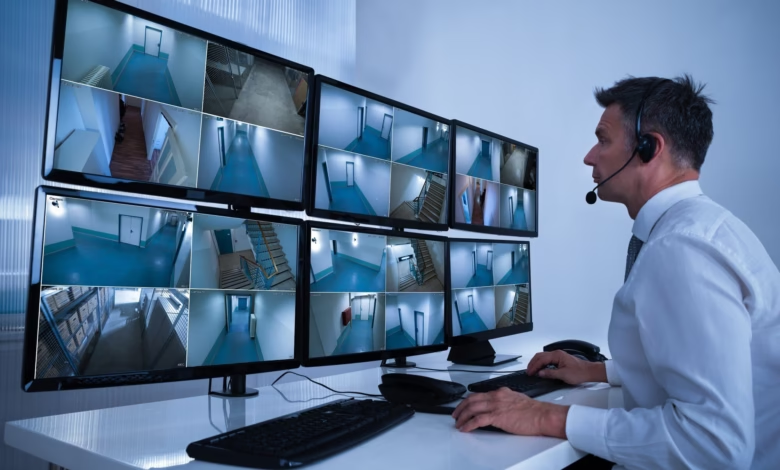
CCTV cameras are increasingly becoming essential in workplaces, promoting safety, transparency, and accountability. Whether it’s a workplace dispute, a theft investigation, or an injury claim, CCTV footage can serve as crucial evidence.
However, companies must ensure that their CCTV Camera Installation complies with privacy and data protection laws. Failure to follow these regulations can turn a useful security measure into a legal problem.
This article explains how CCTV footage is used in workplace disputes and liability claims, the legal limits of its use, and how Commercial Lawyers can guide employers to stay compliant.
How CCTV footage helps in workplace disputes and liability claims
CCTV footage does far more than prevent theft—it also helps promote fairness, transparency, and safety at work. When used appropriately, it can assist both employers and employees in several important ways.
1. Evidence in workplace disputes
Workplace conflicts or misconduct allegations can be difficult to resolve without solid evidence. CCTV recordings offer unbiased proof that can confirm or refute claims of harassment, bullying, or physical altercations.
For example, if an employee alleges mistreatment or assault, the footage can establish what really happened, helping management and investigators make fair decisions.
2. Protection against false claims
False injury or misconduct claims can harm a business both financially and reputationally. Reliable CCTV footage provides a strong defence against fraudulent or exaggerated allegations. This transparency discourages dishonesty and encourages a more ethical work culture.
3. Theft or vandalism investigations
CCTV plays a key role in identifying and investigating theft, property damage, or unauthorised access. When incidents occur, recorded footage can pinpoint those responsible, allowing employers to take appropriate action quickly and confidently.
4. Supporting workplace health and safety
When an employee is injured at work, CCTV can help determine how the incident occurred. This not only aids in resolving compensation claims but also helps employers identify safety risks and prevent future accidents.
5. Building employee confidence
When staff understand that CCTV surveillance is used responsibly, it can create a sense of safety and trust. Transparency about camera placement and purpose is vital to avoid privacy concerns.
Legal limitations of using CCTV in the workplace
Although CCTV can be valuable for evidence and security, its use is tightly regulated under Australian privacy and surveillance laws. Breaching these laws can result in significant penalties or legal action.
1. Employee consent
Employers must inform employees about where CCTV cameras are installed and the purpose of surveillance. In most states, staff consent—either explicit or implied—is required. Secret recording is generally prohibited unless authorised by law enforcement.
2. Effective signage and notification
Visible signs must be displayed to inform employees and visitors that CCTV recording is in operation. These notices ensure transparency and compliance with surveillance regulations.
3. Restricted areas
Cameras must never be installed in private areas such as bathrooms, change rooms, or staff break areas. Recording in these spaces breaches privacy laws and may lead to legal consequences.
4. Data storage and retention
All CCTV footage must be securely stored and retained only as long as necessary. Under the Privacy Act 1988 and the Australian Privacy Principles (APPs), misuse or unauthorised access to recorded data is a breach of the law.
5. Appropriate use of footage
CCTV footage must be used strictly for legitimate business purposes—such as security, investigations, or workplace safety. Sharing or publishing footage without consent is a serious invasion of privacy.
Why legal guidance matters
Navigating workplace surveillance laws can be complex. This is where experienced Commercial Lawyers can make a significant difference.
1. Ensuring compliance
Lawyers can help draft and implement CCTV policies that align with state and federal regulations, ensuring your surveillance practices remain lawful and defensible.
2. Drafting a surveillance policy
A well-written policy clarifies why and how surveillance is used, protecting both employer and employee rights. Commercial Lawyers can draft these documents to ensure clarity and compliance.
3. Managing disputes and claims
If CCTV footage becomes part of an employment dispute or legal proceeding, business lawyers can ensure it is used appropriately and meets evidentiary standards.
4. Preventing privacy breaches
Legal experts can verify that your CCTV Camera Installation meets privacy and data protection obligations, helping your business avoid penalties or reputational damage.
5. Advising on future installations
Lawyers can also provide advice on best practices for camera placement, footage retention periods, and obtaining employee consent—ensuring your system remains compliant long-term.
How to use CCTV footage responsibly
Responsible use of CCTV involves balancing security needs with individual privacy. Below are a few best practices to follow:
- Be transparent: Inform employees about where cameras are placed and why.
- Limit access: Only authorised staff should view recorded footage.
- Store securely: Use encrypted systems to prevent data breaches.
- Avoid misuse: Never use footage to unfairly target employees or monitor personal behaviour.
- Seek legal advice: Consult Commercial Lawyers before introducing or modifying your CCTV system.
By applying these practices, businesses can maintain trust, uphold privacy, and protect themselves from legal complications.
Conclusion
CCTV footage can be a powerful tool for both employers and employees when resolving workplace disputes or liability claims. However, improper installation or misuse of footage can result in serious legal issues.
Employers should always ensure that CCTV Camera Installation and use follow privacy laws and ethical standards. With guidance from experienced Commercial Lawyers, businesses can use CCTV responsibly, protect their assets, and foster a safe, compliant work environment.
Even for companies investing in broader property maintenance—such as collaborating with Melbourne painting contractors to improve exterior appearance—adhering to legal surveillance practices remains just as important for maintaining integrity and compliance across all operations.
FAQs
- Is CCTV evidence admissible in workplace disputes?
Yes. CCTV recordings can be used as legitimate evidence in workplace disputes or investigations, provided they were collected in accordance with privacy and surveillance laws.
- Should CCTV cameras be installed with employee consent?
Yes, in most Australian states. Employers must inform employees about camera locations and purposes. Recording without prior notice is illegal unless required for law enforcement.
- How long can a business retain CCTV footage?
Footage should only be stored as long as necessary for its purpose—commonly between 30 and 90 days—depending on company policy and legal requirements.
- Can CCTV be used to monitor employee performance?
Generally, no. Using CCTV for performance monitoring is discouraged unless employees have been clearly informed and agreed to it. Surveillance should focus on safety and security.