
Bušin (Cistus) in 2026: Complete Guide to the Mediterranean Rockrose, Benefits, Species & Uses

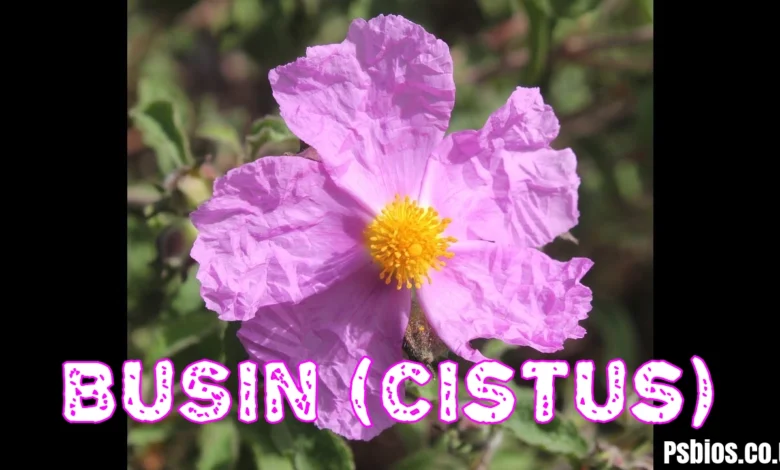
If you’ve ever walked through a sun-drenched Mediterranean hillside, chances are you’ve seen Bušin—a tough, fragrant shrub blooming boldly among rocks and dry soil. Known in English as rockrose or cistus, and scientifically classified under the genus Cistus, this remarkable plant is far more than just a pretty wildflower.
In 2026, interest in Bušin is growing rapidly thanks to its medicinal properties, ecological importance, and rising popularity in natural health, essential oils, and xeriscape gardening. But what exactly is Bušin? Why has it survived wildfires for centuries? And why are herbalists and perfumers still fascinated by it?
Let’s explore everything you need to know about Bušin (Cistus)—from its botanical features and species to its health benefits, cultivation tips, and cultural significance.
1. What Is Bušin? Origin, Classification & Overview
Bušin, also called cistac, rockrose, or Cistus, belongs to the plant family Cistaceae within the order Malvales. Native primarily to the Mediterranean region, it thrives across:
-
Southern Europe
-
North Africa
-
Middle East
-
Macaronesia (including the Canary Islands)
This evergreen shrub is specially adapted to dry, rocky, sun-exposed environments. It loves poor soils where many other plants struggle. In fact, Bušin is one of nature’s ultimate survivors—especially in areas prone to wildfires.
In various Balkan and Mediterranean traditions, Bušin is known by many names:
-
Kamena ruža (Stone rose)
-
Divlja rusica (Wild rose)
-
Bušinac
-
Pelinac
-
Divlji pelin (Wild wormwood)
-
Rusulica
-
Kretski (Cretan rockrose)
There are approximately 36 recognized species of Cistus, along with numerous hybrids widely cultivated in gardens.
What makes Bušin special? It combines:
-
Resilience in extreme climates
-
Medicinal properties
-
Ornamental beauty
-
Ecological importance
In 2026, researchers continue studying its polyphenols, flavonoids, and aromatic resins, while gardeners love it for its drought tolerance and vibrant blooms.
Simply put, Bušin is a symbol of Mediterranean endurance and natural healing power.
2. Botanical Description of Bušin (Cistus)
At first glance, Bušin may look delicate—but don’t be fooled. This plant is built for survival.
General Plant Structure
Most Bušin species are low-growing evergreen shrubs, typically reaching:
-
30–100 cm (1–3 feet) in height
-
Some species grow up to 2–3 meters
They form dense, bushy clumps with woody stems that spread outward, creating a rounded shape.
Leaves
Bušin leaves are:
-
Opposite and simple
-
Often sticky or resinous
-
Rich in aromatic oils
When crushed, the leaves release a fragrant, balsamic scent. This sticky texture helps reduce water loss—a key adaptation for dry climates.
Flowers
The flowers are the true stars.
-
Large and rose-like
-
Five delicate, crinkled petals
-
Colors range from white and pink to deep purple
-
Bright yellow stamens in the center
Blooms appear from April to June in Mediterranean climates. Each flower lasts only one day, but the plant produces them abundantly, creating a stunning seasonal display.
Fruit & Seeds
The fruit is a capsule (čahura) divided into one to three compartments, containing numerous tiny seeds.
Interestingly, these seeds often require heat exposure (such as wildfire) to germinate effectively. That’s right—fire actually triggers new life.
Mycorrhizal Symbiosis
Many Cistus species form relationships with mycorrhizal fungi, which help them absorb nutrients and water from poor soils. This partnership makes Bušin extremely efficient in harsh conditions.
Nature designed this plant like a desert warrior—beautiful, but incredibly tough.
3. Common Bušin Species You Should Know
With around 36 species, the Cistus genus offers impressive diversity. Here are some of the most notable types:
Bijeli Bušin (Cistus salviifolius)
-
White flowers
-
Sage-like leaves
-
Grows 30–100 cm tall
-
One of the most widespread Mediterranean species
It’s commonly used in traditional herbal teas and ornamental landscaping.
Ljepljivi Bušin (Cistus monspeliensis)
-
Sticky, aromatic leaves
-
Evergreen shrub
-
Blooms in mid-spring
-
Strong herbal fragrance
Its resin-rich leaves give it antimicrobial and aromatic value.
Cistus ladaniferus (Labdanum Rockrose)
This is perhaps the most famous species.
-
Produces labdanum resin
-
Used extensively in perfumes and essential oils
-
Tall growth (up to 2 meters)
-
Large white flowers with dark spots
Labdanum has been used since ancient times in incense, medicine, and fragrance production.
Hybrid Varieties
Modern horticulture has introduced colorful hybrids featuring:
-
Larger flowers
-
Extended blooming seasons
-
Enhanced drought resistance
These hybrids are extremely popular in Mediterranean gardens and xeriscapes in 2026.
4. Medicinal and Traditional Uses of Bušin
For centuries, Bušin has played a role in Balkan and Mediterranean folk medicine. Today, modern herbalists are rediscovering its benefits.
Traditional Uses
Bušin has been used to treat:
-
Colds and coughs
-
Respiratory infections
-
Digestive problems
-
Skin wounds
-
Inflammation
Herbal teas are made from the leaves and flowers, often consumed for immune support.
Essential Oil Benefits
Especially from Cistus ladaniferus, the essential oil is valued for:
-
Helping with insomnia
-
Reducing excessive sweating
-
Supporting emotional balance
-
Assisting with wound healing
-
Improving skin regeneration
In aromatherapy, Cistus oil is considered grounding and calming.
Modern Research (2026 Insights)
Recent studies highlight:
-
High levels of polyphenols
-
Potent antioxidant activity
-
Possible antiviral properties
-
Potential anti-inflammatory and anti-cancer effects
However, more clinical research is needed before definitive medical claims can be made.
Safety Considerations
-
Not recommended during the first three months of pregnancy
-
Consult a healthcare provider before medicinal use
Still, Bušin remains a respected plant in natural health circles.
5. Cultivation, Gardening & Ecological Importance
If you’re into low-maintenance gardening, Bušin might be your dream plant.
Growing Conditions
Bušin prefers:
-
Full sun
-
Well-drained sandy or rocky soil
-
Minimal watering once established
It’s perfect for:
-
Xeriscaping
-
Mediterranean-style gardens
-
Slopes and erosion-prone areas
Propagation
You can grow Bušin from:
-
Seeds (benefit from scarification or fire exposure)
-
Cuttings
It requires little fertilizer and tolerates drought exceptionally well.
Ecological Role
Bušin plays a major ecological role:
-
Stabilizes soil
-
Prevents erosion
-
Supports pollinators like bees
-
Regenerates quickly after wildfires
In fire-prone ecosystems, Bušin acts as a pioneer species, helping landscapes recover after destruction.
It’s not just surviving in harsh environments—it’s rebuilding them.
6. Other Meanings of Bušin: Surname & Place
Beyond botany, Bušin carries cultural and historical meaning.
Bušin as a Surname
The name Bušin appears in Central Europe, possibly derived from older personal names like Buš or Buše. Family histories link it to rural communities and agricultural traditions.
Obec Bušín (Czech Republic)
Bušín is also a small village located in the Šumperk District of the Czech Republic.
-
Rich rural heritage
This adds another layer to the name—connecting nature, history, and identity.
Conclusion: Why Bušin Still Matters in 2026
In a world facing climate change, environmental degradation, and a renewed interest in natural remedies, Bušin (Cistus) stands out as a plant of resilience and relevance.
It thrives where others fail.
It heals where others struggle.
It beautifies harsh landscapes effortlessly.
From its fragrant resin (labdanum) to its fire-resistant seeds, from folk medicine to modern botanical research, Bušin continues to bridge ancient tradition with modern science.
Whether you’re a gardener, herbalist, researcher, or simply curious about Mediterranean flora, Bušin deserves your attention in 2026.
It’s not just a shrub—it’s a symbol of survival, healing, and natural strength.
FAQs About Bušin (Cistus)
1. What is Bušin used for?
Bušin is used in herbal medicine for respiratory issues, immune support, wound healing, and inflammation. It is also popular in perfumery due to labdanum resin.
2. Is Bušin the same as rockrose?
Yes. Bušin is commonly known in English as rockrose or cistus.
3. Can Bušin survive wildfires?
Yes. Many species are fire-adapted, and their seeds germinate after exposure to heat.
4. Is Bušin safe during pregnancy?
It is not recommended during the first trimester. Always consult a healthcare professional before use.
5. How many species of Bušin exist?
There are approximately 36 recognized species, along with numerous hybrids used in gardening.