
HVAC Equipment Model Number Verification Methods: Accurately verifying HVAC equipment model numbers is essential for technicians, contractors, and homeowners. The model number identifies the system type, capacity, and compatible components, helping professionals locate the correct replacement parts, confirm system performance ratings, and check manufacturer warranties. Without proper verification, ordering incorrect parts or misidentifying equipment can lead to costly delays and system issues.
In 2026, technicians use a combination of physical inspection, digital lookup tools, and nomenclature analysis to confirm HVAC model numbers quickly and accurately. This guide explains the most reliable verification methods used across the HVAC industry.
Why HVAC Model Number Verification Matters
Every HVAC unit contains a unique model number that reveals important technical information about the equipment. These numbers are not random—they follow structured naming systems developed by manufacturers.
Verifying the correct model number helps professionals determine:
-
System capacity (tonnage or BTUs)
-
Compatible replacement parts
-
Energy efficiency ratings
-
Warranty status
-
Installation specifications
For example, many residential air conditioners encode capacity directly in the model number. A unit containing “36” typically represents 36,000 BTUs, which equals a 3-ton system.
Using incorrect information can result in installing incompatible components, reducing efficiency, or damaging the equipment. That is why accurate verification is a standard best practice in HVAC service and maintenance.
Physical Inspection of the HVAC Nameplate
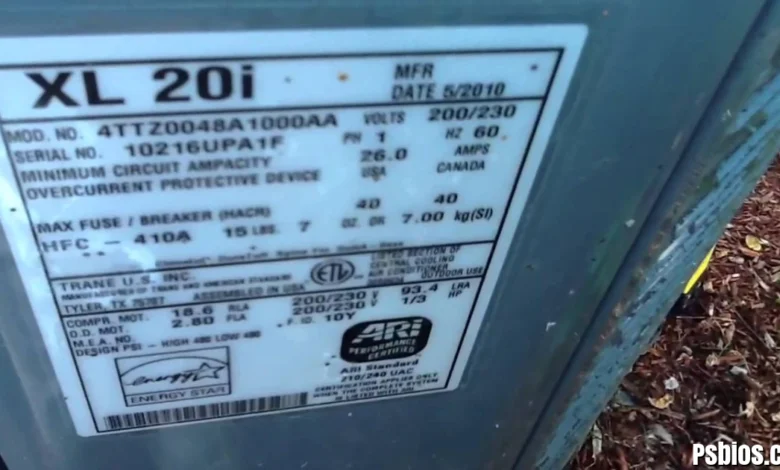
The most reliable method of verifying HVAC equipment model numbers is performing a physical inspection of the unit’s nameplate or data label.
Manufacturers attach these labels directly to the equipment cabinet. The label typically includes:
-
Model number
-
Serial number
-
Electrical specifications
-
Refrigerant type
-
Manufacturing details
Where to Find the Nameplate
Location depends on the type of HVAC equipment.
Outdoor Units (AC or Heat Pumps)
The label is usually found on the side panel near the electrical compartment or service valves.
Indoor Units (Furnaces or Air Handlers)
The nameplate is often located on the side of the cabinet, behind the blower access panel, or inside the blower compartment.
Best Practice for Technicians
A recommended technique is to take a photo of the label using a smartphone. This helps avoid mistakes when reading characters that look similar, such as:
-
O vs 0
-
I vs 1
-
S vs 5
Capturing the entire label also preserves the information for future service records.
Digital and Online HVAC Model Verification
Once the model number is identified, technicians can verify the information using digital tools and manufacturer databases.
Manufacturer Model Lookup Tools
Many HVAC manufacturers offer online product lookup systems. These tools allow users to enter the model number and access detailed information including:
-
Technical specifications
-
Compatible components
-
Installation manuals
-
Warranty status
Companies like Goodman, Lennox, and Carrier provide these lookup services on their official websites.
Search Engine Verification
Another quick method is entering the full model number into a search engine. This often reveals:
-
Product documentation
-
Installation guides
-
Replacement part lists
-
Technical diagrams
Even partial model numbers can help identify the correct product family.
AHRI Directory Confirmation
The AHRI (Air-Conditioning, Heating, and Refrigeration Institute) Directory is another trusted verification tool. It allows professionals to confirm performance ratings and matched HVAC system components such as condenser and coil combinations.
Decoding HVAC Model Number Nomenclature
Most HVAC manufacturers use structured model number nomenclature that encodes technical details about the unit.
Understanding this structure allows technicians to verify whether a model number is correct.
Typical Information Embedded in Model Numbers
Common data points include:
-
Equipment type (e.g., furnace, condenser, air handler)
-
Cooling capacity
-
Voltage or phase
-
Series or product line
For instance:
-
The letter “C” may indicate a condenser unit
-
The letter “G” may indicate a gas furnace
-
Numbers like 24, 36, or 48 usually represent 2-ton, 3-ton, or 4-ton capacity
By analyzing these patterns, technicians can quickly determine whether the model number matches the actual equipment.
Using Alternative Documentation for Verification
Sometimes the equipment label becomes faded or damaged, making the model number difficult to read. In these situations, technicians may rely on installation documentation.
Common sources include:
-
Installer invoices
-
Permit paperwork
-
Warranty registration documents
-
User manuals
Another overlooked source is the shipping label or “traveler tag.” Installers occasionally attach this label from the original packaging to the equipment’s documentation packet.
These documents usually contain both the model number and serial number, which can then be verified online.
Advanced Digital Tools for HVAC Asset Tracking
For commercial buildings and large facilities, professionals often use advanced digital systems to track HVAC equipment.
QR Code Asset Tags
Modern HVAC units may include QR code labels that link directly to online equipment records. Scanning the code can reveal:
-
Manuals
-
Replacement parts
CMMS Maintenance Software
Facility managers often use CMMS (Computerized Maintenance Management Systems) to store HVAC equipment data. These platforms track model numbers, service history, and asset performance across large buildings.
Conclusion
Verifying HVAC equipment model numbers is a critical step in maintenance, repair, and system replacement. The most reliable method is always physically inspecting the equipment nameplate, but modern technicians also use digital verification tools, manufacturer databases, and AHRI directories.
Understanding model number nomenclature further helps professionals identify system capacity, equipment type, and electrical specifications. When labels are unreadable, installation documents and shipping records can provide the missing information.
With the addition of QR codes and CMMS asset tracking systems, HVAC verification methods in 2026 are more efficient than ever. Accurate model identification ensures correct parts, proper system performance, and smoother HVAC servicing for both technicians and property owners.