Strialar (Stretch Marks) – The Complete 2026 US Guide to Causes, Prevention & Best Treatments

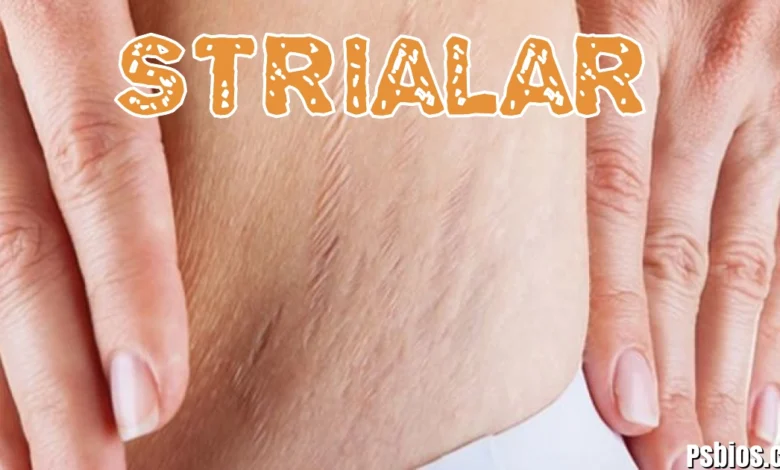
“Strialar,” you’re looking for what Americans call stretch marks — medically known as striae distensae (or striae gravidarum during pregnancy).
They’re incredibly common. In fact:
-
Up to 90% of pregnant women in the US develop them.
-
Teens during growth spurts get them.
-
Bodybuilders see them.
-
Anyone with rapid weight change can develop them.
They are harmless, but many people want to reduce their appearance — and in 2026, there are more treatment options in the United States than ever before.
Let’s break down exactly what strialar are, why they form, and what actually works to fade them.
What Are Strialar (Stretch Marks) & Why Do They Form?
Stretch marks happen when the dermis (middle layer of skin) stretches faster than it can adapt. The collagen and elastin fibers tear, leaving visible lines.
Think of it like stretching fabric too quickly — fine threads snap beneath the surface.
The Two Main Stages of Stretch Marks
1. Striae Rubrae (Red or Purple – Early Stage)
-
Raised
-
Pink, red, or purple
-
Slightly itchy
-
More responsive to treatment
This is the ideal time to act.
2. Striae Albae (White or Silver – Mature Stage)
-
Flat or slightly indented
-
Pale or silvery
-
Harder to treat
-
Permanent without advanced procedures
Over months to years, red marks fade into white ones naturally — but they rarely disappear completely without treatment.
Common Triggers in the US
-
Pregnancy (belly, breasts, hips)
-
Rapid weight gain or loss
-
Puberty growth spurts
-
Bodybuilding or muscle gain
-
Corticosteroid use
-
Hormonal disorders (e.g., Cushing’s syndrome)
-
Genetics
Darker skin tones may show more noticeable pigmentation contrast.
Stretch Mark Prevention (Start Early for Best Results)
While not 100% preventable, early care can significantly reduce severity.
1. Daily Moisturizing
Hydrated skin stretches better.
Top US prevention picks:
-
Bio-Oil Skincare Oil
-
Palmer’s Cocoa Butter Formula
Massage twice daily during pregnancy or weight change.
2. Gentle Massage
Massaging improves:
-
Circulation
-
Collagen stimulation
-
Skin elasticity
Use circular motions for 2–5 minutes per area.
3. Hydration & Nutrition
Support collagen naturally:
-
Drink plenty of water
-
Eat vitamin C-rich foods
-
Consume collagen-supporting nutrients
-
Bone broth, leafy greens, citrus fruits
4. Avoid Rapid Weight Swings
Gradual weight gain or loss reduces dermal stress.
Prevention won’t eliminate risk, but it can reduce severity significantly.
Best Over-the-Counter Treatments in the US (2026)
No miracle cream erases stretch marks overnight — but consistent use improves appearance.
Here’s what works.
1. Bio-Oil Skincare Oil (US Bestseller)
Key ingredients:
-
PurCellin Oil
-
Vitamins A & E
-
Botanical extracts
Best for:
-
All stages
-
Scar blending
-
Prevention
Price:
-
$10–$25
-
Available at Amazon, CVS, Walmart
Timeline:
-
4–12 weeks for visible improvement
Bio-Oil has been a US favorite for 20+ years.
2. Palmer’s Cocoa Butter
Key ingredients:
-
Cocoa butter
-
Vitamin E
Best for:
-
Pregnancy prevention
-
Daily hydration
Price:
-
$8–$20
-
Widely available nationwide
Affordable and safe during pregnancy.
3. Mederma Stretch Marks Therapy
Key ingredients:
-
Onion extract
-
Hyaluronic acid
Best for:
-
New marks
Price:
-
$15–$30
-
CVS, Target, Amazon
4. Paula’s Choice Retinol Body Treatment
Key ingredient:
-
0.3% retinol + peptides
Best for:
-
Texture improvement
-
Fading color differences
Price:
-
$30–$40
Retinol boosts collagen production — ideal for non-pregnant users.
Prescription & Professional Treatments (Stronger Results)
If OTC isn’t enough, dermatology offers more powerful solutions.
1. Tretinoin (Retin-A) – Gold Standard Topical
-
0.05–0.1% strength
-
Rebuilds collagen
-
Best for red/new marks
Cost:
-
$20–$80/month with insurance
Not safe during pregnancy or breastfeeding.
Available via:
-
Dermatologists
-
Telehealth (Apostrophe, Curology)
2. In-Office Treatments (Most Effective)
Here’s what delivers the biggest improvement:
| Treatment | Sessions | Improvement | Cost per Session | Downtime | Best For |
|---|---|---|---|---|---|
| Fractional Laser (Fraxel/CO2) | 3–6 | 50–75% | $500–1,500 | 3–7 days | Red + white marks |
| RF Microneedling (Morpheus8) | 3–4 | 60–80% | $800–2,000 | 1–3 days | Texture tightening |
| Microneedling (Dermapen) | 4–6 | 40–70% | $300–800 | 1–2 days | All skin tones |
| Chemical Peels | 4–6 | 30–50% | $150–400 | 2–5 days | Superficial marks |
Laser and RF microneedling are currently the most popular treatments in US dermatology clinics.
Results vary by skin type and age of marks.
Premium At-Home Systems (2026 Trend)
One standout program:
Striā Lab Redefining Stretch Mark Programme
Includes:
-
TECA (Centella extract)
-
Actigym technology
-
Microneedling tool
-
12-week system
Claims:
-
87% saw visible improvement
Price:
-
$45–$120 USD
90-day money-back guarantee.
Good option for stubborn older marks if you want a structured plan.
Where to Get Treatment in the US
Dermatologists
Search via:
-
American Academy of Dermatology (aad.org)
Chains:
-
Schweiger Dermatology
-
Forefront Dermatology
-
Local medspas
Telehealth Prescriptions
-
Apostrophe
-
Curology
OTC Products
-
Amazon (Prime shipping)
-
CVS
-
Walmart
-
Ulta Beauty
Pro Tips for Americans in 2026
1. Treat Early
Red/purple marks respond 2–3x better than white ones.
2. Combine Treatments
Example effective routine:
-
Morning: Moisturizer or Bio-Oil
-
Weekly: Microneedling
Combination therapy often yields best results.
3. Sun Protection Is Critical
UV exposure darkens stretch marks and worsens contrast.
Use sunscreen daily.
4. Realistic Expectations
Most treatments achieve:
-
50–80% improvement
-
Smoother texture
-
Faded color
Complete removal is rare without surgical procedures (e.g., tummy tuck for abdominal skin).
5. Insurance Coverage
Stretch mark treatments are usually considered cosmetic and not covered — except sometimes after bariatric surgery.
Conclusion
Strialar (stretch marks) are extremely common in the United States — affecting millions of moms, teens, athletes, and adults every year.
They are harmless, but if you want to reduce their visibility, you absolutely have options in 2026:
-
Bio-Oil or Palmer’s for prevention and mild fading
-
Tretinoin for collagen rebuilding
-
Laser and RF microneedling for the strongest visible results
-
Striā Lab programmes for structured at-home treatment
The key?
Start early. Be consistent. Protect your skin from the sun.
With proper care, most people can significantly fade stretch marks and feel confident in their skin again.
FAQs About Strialar (Stretch Marks)
1. Can stretch marks completely disappear?
Rarely. Most treatments reduce them by 50–80%, but full removal is uncommon.
2. What works best for new red stretch marks?
Tretinoin and fractional laser treatments offer the best improvement.
3. Are stretch mark creams safe during pregnancy?
Yes — Bio-Oil, cocoa butter, and hyaluronic acid are generally safe. Avoid retinoids.
4. How long before I see results?
OTC products take 4–12 weeks. Laser results appear gradually over 2–6 months.
5. Do men get stretch marks too?
Yes. Common areas include shoulders, chest, lower back, and thighs due to growth or muscle gain.