Labour Council Parking Charge Proposal: What It Means, Why It Matters, and Public Reaction

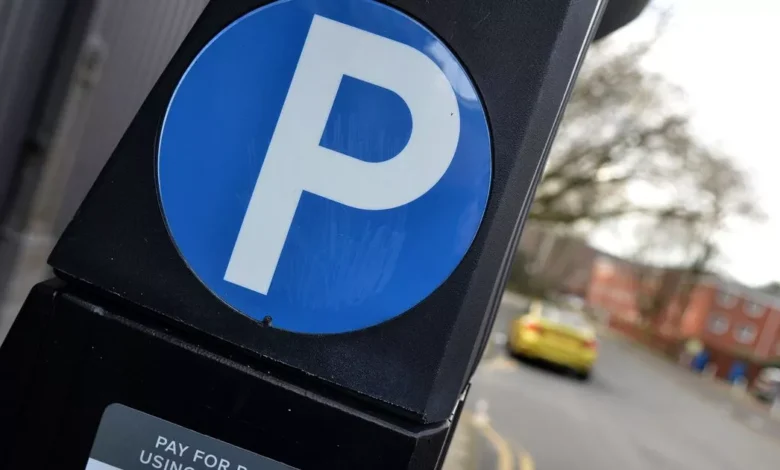
The Labour council parking charge proposal has become a major political and community issue across the UK. These proposals, typically introduced by Labour-led local councils, aim to introduce new parking fees or increase existing charges for public, workplace, and community parking. While councils argue these measures are necessary to raise revenue and reduce congestion, they have sparked strong public backlash, protests, petitions, and in some cases, policy reversals.
This article breaks down the key aspects of these proposals.
What Is a Labour Council Parking Charge Proposal?
A Labour council parking charge proposal refers to local government plans to increase or introduce parking fees in council-controlled areas.
These proposals often apply to:
-
Public car parks
-
Workplace parking permits
-
Residential parking zones
-
Leisure centres and parks
-
Electric vehicle (EV) parking
Councils present these measures as part of transport policy, climate goals, and budget management.
Why Labour Councils Are Proposing Higher Parking Charges
Labour councils cite several motivations behind these proposals.
Main reasons include:
-
Revenue generation to fund local services
-
Reducing traffic congestion
-
Lowering air pollution and emissions
-
Encouraging public transport, cycling, and walking
With many councils facing budget shortfalls, parking charges are seen as a quick and reliable income source.
Who Is Most Affected by These Proposals
The impact of parking charge proposals is uneven, affecting some groups more than others.
Groups most affected:
-
Residents without alternative transport
-
Tradespeople who rely on vans
-
Electric vehicle owners, facing unexpected fees
-
Low-income families
-
Local businesses dependent on footfall
Critics argue the charges can disproportionately burden essential workers and small businesses.
Public Backlash and Community Opposition
Many proposals have faced intense opposition from residents and business groups.
Common forms of backlash:
-
Petitions and protests
-
Local campaigns and advocacy groups
-
Media coverage and political pressure
-
Social media activism
In some cases, pressure has led to U-turns, such as councils reversing planned charges after public outcry.
Notable Examples Across the UK
Several high-profile cases have shaped the national debate.
Key examples include:
-
Westminster: Proposed steep EV parking charge increases, sparking business outrage
-
Canterbury: Planned car park fee hikes under a Labour-LibDem coalition
-
Crawley: Debated charges at the K2 leisure centre
-
Milton Keynes: Criticism over assumptions about public transport usage
-
Preston Park: A proposed scheme later withdrawn after campaigning
These cases highlight how local context heavily influences outcomes.
Alternatives Suggested by Critics
Opponents argue there are fairer and more effective alternatives.
Frequently proposed solutions:
-
Investment in reliable public transport
-
Tiered permit systems based on income or usage
-
Better active travel infrastructure
-
Policies focused on reducing car dependency, not punishing drivers
Critics stress that without viable alternatives, parking charges risk becoming regressive taxes.
Conclusion
The Labour council parking charge proposal debate reflects broader tensions between climate goals, public finances, and everyday affordability. While councils defend the charges as necessary for sustainability and revenue, public opposition highlights concerns over fairness, economic impact, and accessibility.
As more councils consider similar measures, the outcome will likely depend on community engagement, transparency, and balanced transport planning.