

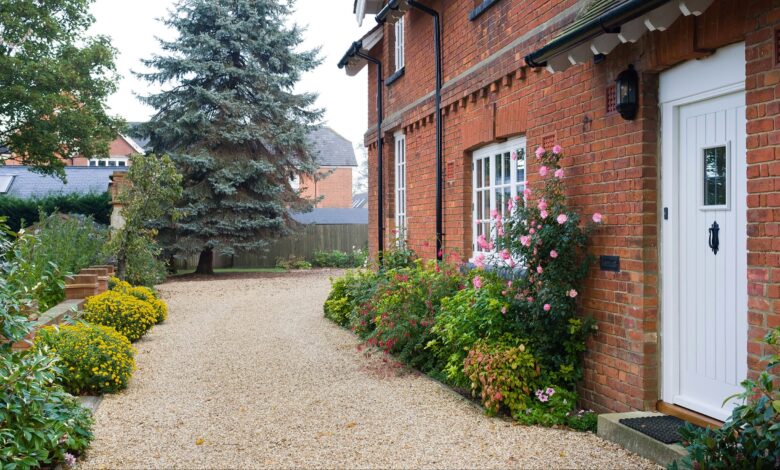
For many homeowners, the garden is more than just a place to relax; it is a potential asset that may hold significant financial value. Whether you are considering selling a portion of your garden, exploring development potential, or simply curious about how much your outdoor space might be worth, understanding how garden land is valued is essential. Garden land can command a premium in certain markets, particularly where housing demand is high and land supply is constrained. This guide outlines the key factors that determine value, the types of opportunities garden land can offer, and what homeowners and prospective developers should consider before moving forward.
While property professionals such as surveyors, planning consultants, and even letting agents in Nottingham City can often provide helpful insights into local demand and market conditions, it is useful to understand the fundamentals yourself before seeking formal advice.
What Is Considered “Garden Land”?
Garden land refers to any parcel of land that forms part of the curtilage of a residential property. It may be a back garden, side garden, large front garden, or excess land beyond the main usable space. In most cases, its value is directly linked to its potential use: private amenity, extension of an existing home, or future development.
Importantly, garden land is not the same as agricultural land or brownfield land. Its classification may influence planning possibilities and, in turn, market value.
Key Factors That Influence Garden Land Value
Assessing the worth of garden land is not straightforward. Several variables come into play, some of which are highly location-specific.
1. Location and Local Demand
Location remains the overriding determinant of land value. Garden plots in densely populated urban areas, where development land is scarce, may be significantly more valuable than similar-sized plots in rural or suburban areas. Areas experiencing strong buyer demand or limited housing supply tend to place higher premiums on garden land.
Local professionals, including estate agents and letting agents in Nottingham City, can often provide insight into buyer demand for garden plots, extension potential, or small development opportunities in specific neighbourhoods.
2. Size, Shape, and Access
The physical characteristics of the land play a major role:
- Size: Larger plots offer more potential, whether for extending a home, building a new dwelling, or creating shared access.
- Shape: Regular, well-defined shapes are typically more valuable and easier to work with for development.
- Access: If the plot has independent access from a public road, value increases substantially. Landlocked garden areas, accessible only through an existing property, tend to hold less value unless access rights can be negotiated.
3. Planning Permission and Development Potential
Perhaps the most significant uplift in value occurs when garden land has planning permission or a strong likelihood of obtaining it. Land with outline or full planning consent for residential development may be worth several times more than the same plot without permission.
Key planning considerations include:
- Impact on neighbouring properties
- Highways and access
- Privacy and overlooking issues
- Local planning constraints and conservation areas
- Environmental and ecological factors
Even if planning permission has not yet been sought, understanding how your local authority views backland development or infill housing can help determine future value.
4. Topography and Ground Conditions
The slope of the land, presence of mature trees, soil stability, drainage, and ground conditions can affect development costs. Land requiring significant preparatory work may still hold value but could be less attractive to buyers or developers.
5. Utility Availability
The ability to connect to running water, drainage, electricity, and telecommunications influences build potential. Land with easy access to existing utilities is significantly more appealing for development.
Highest-Value Opportunities for Garden Land
Different uses can yield very different values. Understanding which category your land falls into will help you form a realistic assessment.
1. Residential Development Plots
The highest valuations typically come from plots suitable for new-build residential properties. Even a modest garden plot may be viable for a single dwelling, especially in areas with a shortage of starter homes.
A professional feasibility assessment can help determine whether your land could accommodate:
- A detached house
- A pair of semi-detached homes
- A bungalow or accessible home
- A small infill development
2. Extensions and Amenity Space
If your garden land is being sold to a neighbouring property, its value may be tied to the benefit it brings to them—often a private extension, larger outdoor space, or improved access. While these transactions tend to command lower prices than development land, they can still be valuable and simpler to negotiate.
3. Access Creation
In some situations, a strip of garden land may be valuable if it allows a neighbouring landowner to create an access point to a larger backland development. This could significantly increase the price, depending on the potential uplift created.
How to Determine the Market Value of Garden Land
1. Seek a Professional Valuation
A RICS-qualified surveyor can provide a formal valuation based on comparable sales, planning constraints, and the land’s physical characteristics. This is the most reliable method, particularly for homeowners considering selling land independently.
2. Engage a Planning Consultant
If you believe your land has development potential, a planning consultant can advise on feasibility, likely planning outcomes, and potential uplift in value.
3. Research Comparable Land Sales
Look for recent sales of similar plots in your area. While fewer transactions occur for raw land compared with residential properties, local authority planning portals and land registry records can provide useful references.
4. Discuss the Market with Local Agents
Estate agents and letting agents often understand local appetite for garden land, small plots, or extension opportunities. Their knowledge of local buyer and developer behaviour can underpin your research and help shape a realistic value expectation.
Legal and Practical Considerations Before Selling
Title Boundaries and Restrictions
Ensure that the land’s legal boundaries are accurate and that no covenants or restrictions prohibit its sale or development.
Impact on Your Existing Property
Selling part of your garden could affect your property’s market value, future development potential, privacy, and access arrangements.
Tax Implications
Depending on the circumstances, capital gains tax may apply. Professional advice is strongly recommended.
Conclusion
Garden land can be a surprisingly valuable asset, particularly in areas where space is limited and housing demand remains strong. Understanding how its value is assessed—considering size, access, planning potential, and local market dynamics—allows homeowners to make informed decisions. Whether you are exploring selling a section of your garden, assessing development prospects, or simply curious about its potential worth, taking the time to evaluate the opportunities can deliver substantial financial benefits.
Local professionals, from surveyors to planning consultants to letting agents in Nottingham City, can help you navigate the process confidently. With the right guidance and due diligence, garden land can open up new possibilities for homeowners, developers, and buyers alike.