
Installing Ground Fault Circuit Interrupter Outlets: Full Guide to Safety, Steps, and Requirements

1. What Is a Ground Fault Circuit Interrupter Outlet and Why It Matters
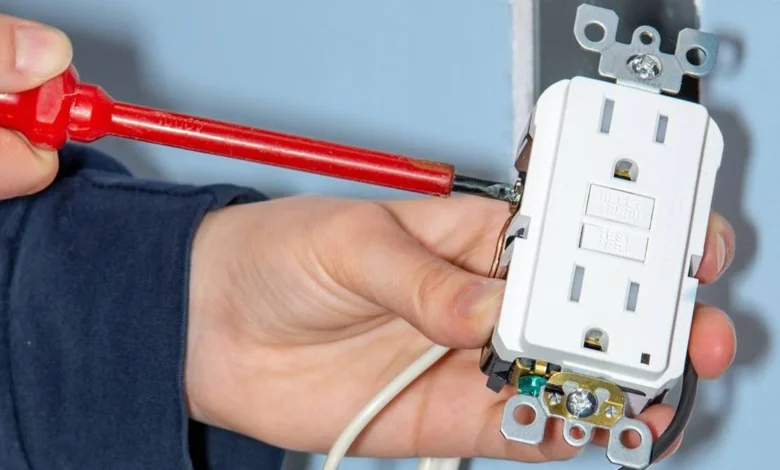
Installing Ground Fault Circuit Interrupter Outlets: A Ground Fault Circuit Interrupter (GFCI) outlet is a specially designed electrical device that helps protect people from electrical shock, short circuits, and ground faults. When a GFCI detects even a slight imbalance in the flow of electricity—often caused by moisture or faulty wiring—it shuts off power within milliseconds, preventing dangerous accidents.
Homeowners search for installing ground fault circuit interrupter outlets because these outlets are now a required safety upgrade in many locations of a home according to modern electrical codes. Areas near water sources are particularly vulnerable, making GFCIs a must-have in:
-
Bathrooms
-
Kitchens
-
Basements
-
Garages
-
Outdoor areas
-
Laundry rooms
-
Near utility sinks
Installing GFCI outlets dramatically reduces the risk of electrical shock, burns, and even electrical fires, turning them into one of the most important safety upgrades for residential properties.
2. Where GFCI Outlets Are Required According to Electrical Codes
Modern building codes—including the National Electrical Code (NEC)—require GFCI protection in specific household locations. These requirements ensure that moisture-prone areas have appropriate electrical safety.
GFCI Required Locations Include:
-
Bathrooms: All receptacles must be GFCI-protected.
-
Kitchens: Any outlet within 6 feet of a sink.
-
Basements: Finished and unfinished basements need GFCI outlets.
-
Garages: All outlets require GFCI protection.
-
Outdoor locations: Essential for weather-exposed areas.
-
Laundry rooms: Outlets serving washers or utility sinks.
-
Boathouses and pool areas: High-risk zones with strict regulations.
Because electrical safety standards evolve, many homeowners upgrade old outlets with modern GFCIs to stay compliant and protect their households.
If you own an older home, installing GFCIs not only improves safety but can also increase resale value and help meet inspection requirements.
3. Tools and Materials Needed for Installing Ground Fault Circuit Interrupter Outlets
Before you begin installing ground fault circuit interrupter outlets, make sure you have the correct tools and materials. Using the right equipment ensures proper installation and reduces the risk of injury.
Tools Required
-
Flathead screwdriver
-
Phillips screwdriver
-
Wire strippers
-
Voltage tester
-
Needle-nose pliers
-
Electrical tape
-
Flashlight (for dark basements or older panels)
Materials Needed
-
New GFCI outlet (15-amp or 20-amp depending on circuit)
-
Wall plate
-
Wire nuts (if needed)
-
Mounting screws
Having these tools ready makes the installation process smooth and ensures you meet electrical safety standards.
4. Step-by-Step Guide to Installing a Ground Fault Circuit Interrupter Outlet
Below is a clear, safe, and professional-grade guide for installing a ground fault circuit interrupter outlet. Always follow safety rules and turn off power before starting.
Step 1: Turn Off Power at the Breaker Panel
Locate the circuit breaker controlling the outlet. Switch it OFF and confirm power is shut off with a voltage tester.
Step 2: Remove the Existing Outlet
Unscrew the wall plate and remove the mounting screws. Gently pull out the old outlet to expose the wiring.
Step 3: Identify Line and Load Wires
GFCI outlets have two sets of terminals:
-
LINE: Incoming power
-
LOAD: Downstream protection for other outlets
Only connect the LOAD wires if you want additional outlets protected.
Step 4: Connect the Wires to the GFCI
Match each wire to the correct terminal:
-
Black (hot) → Brass LINE terminal
-
White (neutral) → Silver LINE terminal
-
Bare or green wire (ground) → Green ground screw
If using LOAD protection, repeat the same wire configuration on the LOAD side.
Step 5: Insert and Mount the GFCI Outlet
Push the wires neatly into the junction box and secure the outlet with mounting screws. Attach the wall plate.
Step 6: Restore Power and Test the Outlet
Turn the breaker back on. Press the RESET button to activate the GFCI, then use the TEST button to ensure proper functionality.
If the outlet does not reset or trips immediately, wiring may be incorrect and should be checked by a licensed electrician.
5. Common Mistakes to Avoid When Installing GFCI Outlets
Many homeowners make errors when attempting installing ground fault circuit interrupter outlets, leading to malfunction or safety risks.
Avoid These Mistakes:
-
Misidentifying LINE and LOAD wires (the most common and dangerous mistake)
-
Not turning off power fully at the breaker
-
Using the wrong amperage outlet (15-amp on a 20-amp circuit is acceptable, but not the reverse)
-
Failing to connect the ground wire
-
Installing a GFCI in an overloaded or damaged electrical box
-
Reversing hot and neutral wires
Proper installation requires careful wiring and attention to detail. When in doubt, consult an electrician to ensure your wiring meets NEC standards.
6. When Should You Hire a Professional Electrician?
Although DIY installation is possible, it’s best to hire a licensed electrician in situations such as:
-
The outlet is part of an older home with outdated wiring
-
The electrical box lacks a ground wire
-
The GFCI will protect multiple downstream outlets
-
The breaker panel is difficult to identify or label
-
You encounter burning smell or loose wires
-
You are upgrading multiple outlets throughout your home
Professionals ensure your installation meets all safety regulations and local building codes.
If you are unsure at any point, a certified electrician can complete the job safely and quickly.
Conclusion
Installing ground fault circuit interrupter outlets is one of the most important steps you can take to improve electrical safety in your home. GFCIs protect against shocks, ground faults, and electrical fires, especially in areas near water. By understanding code requirements, using the correct tools, and following safe installation procedures, you can ensure long-lasting protection and compliance with modern electrical standards.